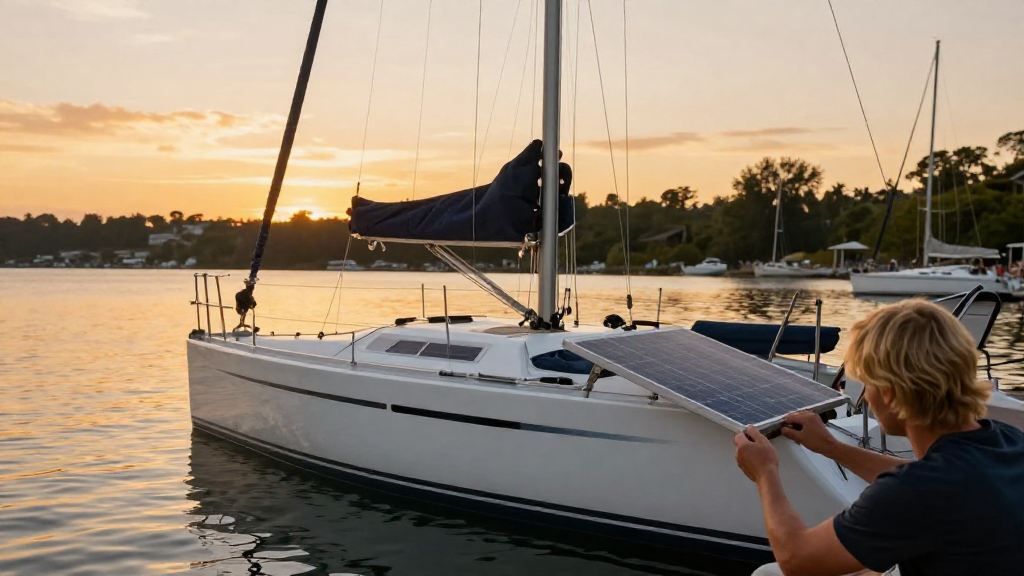
Are you interested in learning how to install solar panels on a boat?
This article will guide you through the process step-by-step, helping you harness renewable energy while enjoying life on the water.
Why Should You Consider Solar Energy for Your Boat?
Solar energy offers numerous benefits for boating enthusiasts seeking off-grid power solutions.
Here are a few compelling reasons:
- Sustainable Energy Source: Solar panels use sunlight to generate power, reducing dependency on fossil fuels.
- Cost-Effective: While the initial investment may be significant, solar energy can lead to savings on fuel and generator costs in the long run.
- Low Maintenance: Once installed, solar panels require minimal upkeep compared to gas generators.
- Environmentally Friendly: Utilizing solar energy helps reduce your carbon footprint while enjoying the beauty of nature.
Understanding these benefits answers the question of why you should consider installing solar panels on your boat.
What Supplies Do You Need?
Before you can learn how to install solar panels on a boat, gathering the right supplies is essential.
Here’s a list of items you’ll need:
- Solar Panels: Choose the right wattage based on your power needs.
- Solar Charge Controller: This manages the power from the panels to the battery.
- Marine Battery: A deep cycle battery is ideal for storing solar energy.
- Inverter: If you want to convert DC power to AC power for household appliances.
- Mounting Hardware: Ensure you have brackets and screws to secure the panels.
- Wiring: Heavy-gauge wiring for electrical connections.
- Sealant: To waterproof your installations.
- Basic Tools: Such as a drill, screwdriver, and wire cutters.
With supplies in hand, you’re closer to understanding how to install solar panels on a boat.
How Do You Choose the Right Location for Installation?
Selecting the right location on your boat for solar panel installation is crucial.
Consider the following points:
- Maximize Sunlight Exposure: Position panels on a flat surface where they can receive direct sunlight for the longest part of the day.
- Avoid Shadows: Ensure that no structures or rigging will obstruct sunlight from hitting the panels.
- Structural Integrity: Make sure the mounting surface can bear the weight of the panels and withstand the wind.
- Accessibility: Install panels in a way that allows easy access for future maintenance.
Knowing where to place the panels will significantly enhance their efficiency.
What Are the Steps to Install Solar Panels on a Boat?
Now that you’ve gathered supplies and chosen a location, here’s a step-by-step guide on how to install solar panels on a boat:
1. Measure and Mark
- Measure the solar panels’ dimensions.
- Mark the location on your boat where you’ll mount them, ensuring they are aligned correctly.
2. Prepare the Surface
- Clean the installation area thoroughly to remove dirt and debris.
- If necessary, sand the area to ensure a secure bond with the sealants.
3. Install Mounting Brackets
- Fix the mounting brackets securely to the chosen surface using appropriate screws.
- Ensure that the brackets are level to provide a solid base for the panels.
4. Attach the Solar Panels
- Place the solar panels onto the brackets.
- Secure them using bolts or screws as per the manufacturer’s instructions.
5. Connect Wiring
- Route the wiring from the solar panels to the solar charge controller.
- Use appropriate connectors to ensure a secure and safe connection.
6. Install Charge Controller
- Mount the solar charge controller in a visible and accessible location.
- Connect the controller to your battery according to the manufacturer’s guidelines.
7. Connect Battery and Inverter
- If using an inverter, connect it to the battery.
- Ensure all connections are tight and secure to prevent energy loss or hazards.
8. Test the System
- Once everything is connected, monitor the system for a day to ensure it’s functioning properly.
- Use a multimeter to check the voltage output from the panels.
9. Regular Maintenance
- Periodically clean the panels and check connections for wear or corrosion.
- Replace any damaged parts to keep the system running efficiently.
Following these steps will ensure that you successfully learn how to install solar panels on a boat.
What Are Some Common Mistakes to Avoid?
While you might be excited about your solar installation project, it’s crucial to be aware of common pitfalls:
- Underestimating Power Needs: Calculate your power usage accurately before purchasing panels.
- Poor Mounting Practices: Failing to secure panels properly can lead to damage.
- Ignoring Weather Conditions: Be mindful of wind load and potential extreme weather impacts.
- Neglecting Maintenance: Regularly check system performance and clean panels to maximize efficiency.
By avoiding these mistakes, you can ensure a smoother installation process and boost your off-grid energy independence.
How Can You Optimize Solar Panel Efficiency?
Once your solar panels are installed, consider the following tips to maximize efficiency:
- Regular Cleaning: Dust and debris can block sunlight; clean panels periodically.
- Battery Maintenance: Regularly check battery levels and connections for optimal performance.
- Monitor Performance: Use a monitoring system to track energy production and usage closely.
- Optimal Angle Adjustment: If applicable, adjust the angle of your panels regularly based on the season and sun altitude.
Optimizing your system ensures you make the most of your renewable energy installation.
Conclusion
Installing solar panels on your boat is a sustainable and efficient way to generate off-grid power.
By following the steps outlined in this guide, you’ll learn how to install solar panels on a boat effectively, maximizing your power supply while embracing a greener lifestyle.
With the right preparation and a strategic approach, you’ll be ready to enjoy more time on your boat while relying on renewable energy.
Remember to stay informed about rising technologies and best practices as you embark on this journey toward energy independence on the water. Safe sailing!