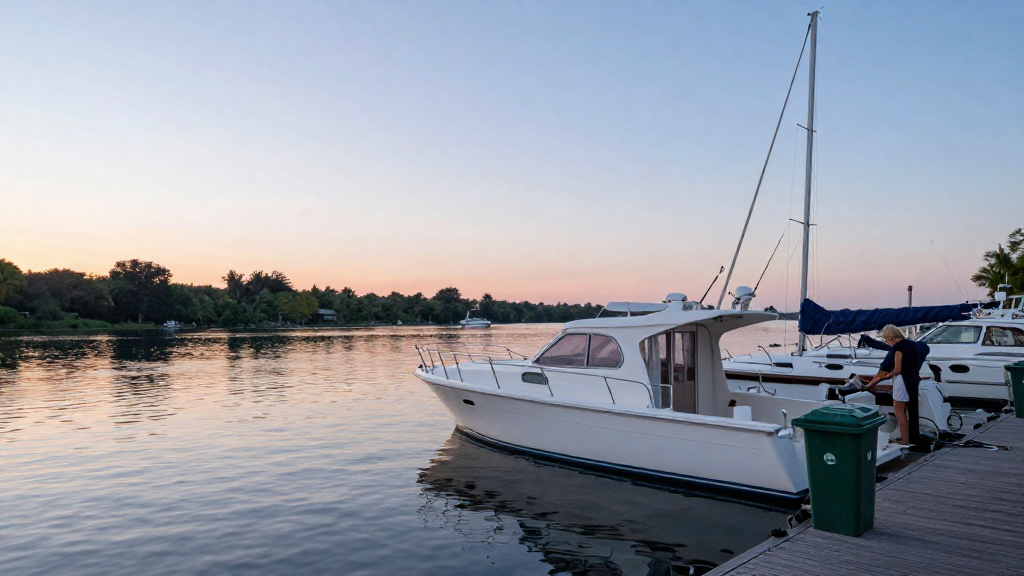
When you’re out on the water, understanding how to dispose of boat waste responsibly is crucial for preserving the beauty of our lakes, rivers, and oceans.
What Is Boat Waste and Why Is It Important to Dispose of It Responsibly?
Boat waste includes:
- Sewage – Human waste and wastewater
- Bilge water – Water that collects in the hull of the boat
- Trash – Materials like cans, plastics, and packaging
- Fuel and oil spills – Hydrocarbon liquids that leak from engines and equipment
When not handled correctly, boat waste can harm marine life, pollute water, and degrade ecosystems.
How Is Boat Waste Disposed of Responsibly?
So, how to dispose of boat waste responsibly includes different methods tailored to each waste type. Below is a comprehensive guide on safe boat waste disposal practices.
1. What Should You Do With Sewage?
Sewage management is not just necessary; it’s the law or it should be! Most waterways have regulations regarding sewage disposal.
Here’s how to handle sewage responsibly:
-
Use a Marine Toilet: Install a marine sanitation device (MSD) that complies with the U.S. Coast Guard regulations or the appropriate laws in your area.
-
Pump-Out Stations: Locate and utilize pump-out stations available at marinas and harbors. Many municipalities offer free or low-cost services to pump out your waste tank.
-
Dumping Rules: Familiarize yourself with local laws regarding sewage dumping. In many areas, it is illegal to discharge untreated sewage into the water.
2. How to Handle Bilge Water?
Bilge water can contain oil, fuel, and other contaminants from your boat’s engine. Disposing of bilge water improperly can significantly harm aquatic ecosystems.
Here’s how to handle bilge water responsibly:
-
Prevent Contamination: Regular maintenance should ensure your boat doesn’t leak oil into the bilge. Use oil-absorbent pads to prevent spills.
-
Dispose in Designated Areas: Many marinas have facilities for disposing of bilge water. Make sure to use these facilities or contact local waste disposal services for proper guidance.
-
Check for Leaks: Frequent inspection for oil leaks ensures less contaminated water collects in your bilge.
3. What About Trash and Debris?
Proper trash management is essential for maintaining the cleanliness of water bodies.
How to dispose of trash responsibly:
-
Install a Trash Bin: Keep a dedicated bin on your boat for trash.
-
Avoid Overboard Disposal: Never throw trash overboard. This includes biodegradable items such as leftover food and paper.
-
Participate in Clean-Up Initiatives: Join local beach clean-up efforts or organize your own. It’s a great way to meet fellow boaters and help protect marine habitats.
4. How to Deal With Hazardous Waste?
Hazardous materials like engine oil, paint, and batteries require special handling.
Here’s how to get rid of hazardous waste:
-
Read Labels: Always read and follow disposal recommendations on hazardous material labels.
-
Disposal Facilities: Utilize local household hazardous waste disposal facilities. Many communities have special collections for these items.
-
Check with Marinas: Some marinas provide collection services for hazardous waste, so inquire before placing them in regular trash.
5. Where to Find Resources for Responsible Disposal?
Education is key to learning how to dispose of boat waste responsibly.
Consider these resources:
-
State and Local Guidelines: Visit your state’s environmental agency website for regulations and guidelines on boating waste disposal.
-
Boating Organizations: Organizations such as the U.S. Coast Guard and the American Boating Association provide resources on responsible boating practices, including waste disposal.
-
Environmental Websites: Online resources like the EPA website offer information on marine waste management and environmental protection guidelines.
What Are the Benefits of Responsible Waste Disposal?
Understanding how to dispose of boat waste responsibly has multiple benefits:
-
Protects Marine Life: Safe disposal preserves aquatic ecosystems, benefiting local wildlife.
-
Maintains Water Quality: Responsible waste management contributes to cleaner and healthier waters for swimming, fishing, and other recreational activities.
-
Legal Compliance: Following regulations prevents hefty fines or penalties for improper waste disposal.
-
Environmental Stewardship: Responsible waste disposal fosters a community of conscious boaters that understand the importance of preserving natural resources for future generations.
Conclusion: Why Is Your Role Crucial?
As a boat owner, your commitment to how to dispose of boat waste responsibly can make a significant difference in protecting our waterways.
By understanding various waste management strategies, utilizing available resources, and following local regulations, you ensure not only your own safety but also the safety of our marine ecosystems.
Be proactive, educate yourself frequently, and engage with your local boating community for the benefit of the environment.
Remember, cleaner waters lead to a healthier planet—let’s keep our lakes, rivers, and oceans beautiful for generations to come!