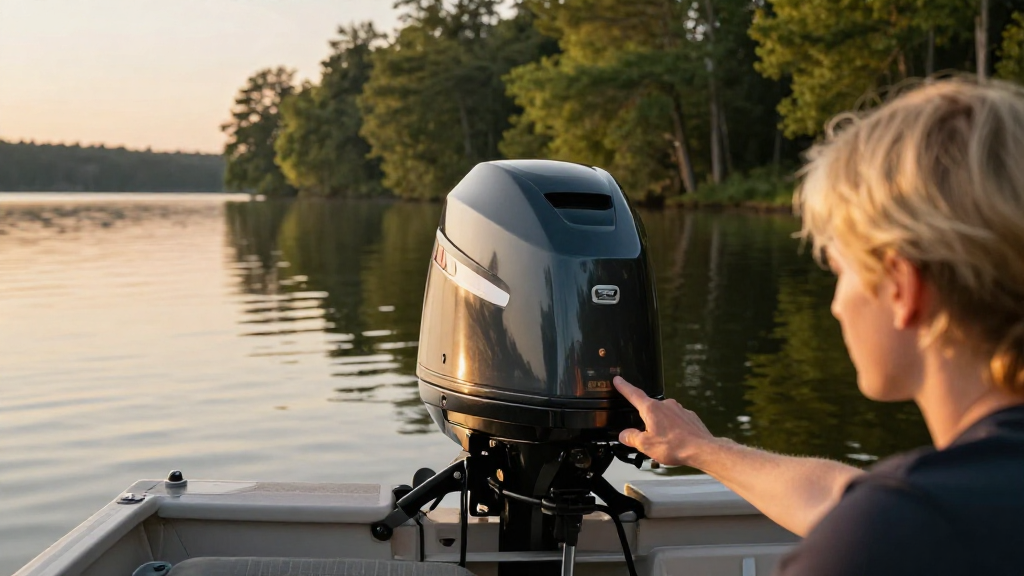
Deciding how to choose an electric outboard motor can significantly impact your boating experience.
Electric outboard motors are becoming increasingly popular among boaters due to their efficiency, quiet operation, and environmentally friendly nature.
But with so many options available on the market, how can you ensure you are making the right choice?
In this guide, we will walk you through the essential factors to consider when selecting the perfect electric outboard motor.
What Are Your Power Needs?
The first step in how to choose an electric outboard motor is understanding your power needs.
The power of an electric outboard motor is measured in horsepower (HP) or thrust (pounds).
Generally, here’s how to assess your needs based on the size and weight of your boat:
- Under 10 HP: Suitable for small boats or canoes weighing up to 1,000 pounds.
- 10-30 HP: Ideal for medium-sized boats up to 2,500 pounds.
- 30 HP and above: Best for larger boats and heavier loads over 2,500 pounds.
Knowing your boat size and weight will help you determine the right amount of thrust for efficient and optimal performance.
What Type of Battery Do You Need?
After you’ve established your power requirements, the next step in how to choose an electric outboard motor is to consider what type of battery you will need.
Electric outboard motors are generally powered by two types of batteries:
-
Lead-Acid Batteries:
– Pros: Lower upfront cost, widely available.
– Cons: Heavier, shorter lifespan, and less efficient. -
Lithium-Ion Batteries:
– Pros: Lightweight, longer lifespan, and more efficient.
– Cons: Higher initial investment.
Choosing the right battery type will directly influence your boating experience.
A lithium-ion battery might be a better choice if you frequently go on longer trips, while lead-acid batteries might be sufficient for shorter outings.
How Long Do You Plan to Use the Motor?
Duration of use is another critical consideration when learning how to choose an electric outboard motor.
Depending on the motor and battery type, different setups will offer varying ranges.
Here’s how to quantify use:
- Short Trips: 1-5 miles, consider motors with lower wattage and lead-acid batteries.
- Medium Trips: 5-10 miles, opt for medium-range motors with lithium batteries.
- Long Trips: More than 10 miles, invest in higher wattage motors and lithium-ion setups for maximum efficiency.
The expected duration of your trips will influence your choice of motor and battery.
Are You Considering Portability?
Portability is a significant factor in how to choose an electric outboard motor.
If you plan to transport your motor frequently or store it in limited space, you will want to:
- Choose Lighter Models: Electric outboard motors come in different weights. Lighter models are easier to handle but may offer less thrust.
- Consider Removability: Some motors have a quick-release feature that makes it easier to install and remove the motor from your boat.
Assessing where and how you will use your motor will help you make your selection.
What Features Do You Need?
Modern electric outboard motors come with an array of features that enhance performance and user experience.
Here’s a rundown of some useful features to consider when deciding how to choose an electric outboard motor:
- Regenerative Braking: Some motors have the ability to recharge the battery while you are sailing.
- Digital Displays: Show real-time information about battery life, remaining range, and motor performance.
- Variable Speed Control: Allows you to adjust speed smoothly, maximizing efficiency and battery lifespan.
- Transformability: Certain models can be modified for freshwater, saltwater, or different environments.
Evaluating the features you need can help make your decision easier.
How Are You Planning to Use Your Motor?
Understanding the intended use of your electric outboard motor is crucial in how to choose an electric outboard motor.
Here are some typical uses to consider:
-
Fishing: If you’re planning to fish, you may want a quieter motor with excellent thrust for navigation through different waters.
-
Leisure Boating: You’ll likely look for a motor that balances speed and efficiency for cruising and exploring.
-
Hiking or Exploring Shorelines: If you require a motor for short distances, focus on lightweight motors.
Identifying your primary use will guide your motor choice.
Is Budget a Concern?
Pricing is another unavoidable factor when determining how to choose an electric outboard motor.
Electric outboard motors can range significantly in price— anywhere from $1,000 to over $5,000.
Here are a few budget considerations:
-
Initial Cost: Determine how much you are willing to spend upfront. This should include both the motor and battery costs.
-
Long-Term Investment: Factor in additional costs for maintenance and potential battery replacement, especially with lead-acid batteries that typically have shorter lifespans.
Assessing your long-term budget can help clarify what you can afford without compromising on performance.
Are You Familiar with the Brands?
Lastly, knowing reputable brands is essential when exploring how to choose an electric outboard motor.
Brands like:
- Torqeedo
- Minn Kota
- Suzuki
- Yamaha
Each boasts unique technology and warranties.
Reading consumer reviews and product comparisons can help solidify the choice you make.
Conclusion
Selecting the right electric outboard motor combines understanding your specific requirements with knowledge of different available models.
In summary, here are the essential factors to consider:
- Power needs based on boat size.
- Battery type and its implications on performance.
- Intended use: fishing, leisurely boating, or exploring.
- Portability for easy transport and storage.
- Your budget for long-term investment.
- Brand reputation and customer reviews.
By addressing these questions and understanding the various factors, you’ll be well on your way to making an informed decision about how to choose an electric outboard motor that suits your boating needs.
Happy boating!