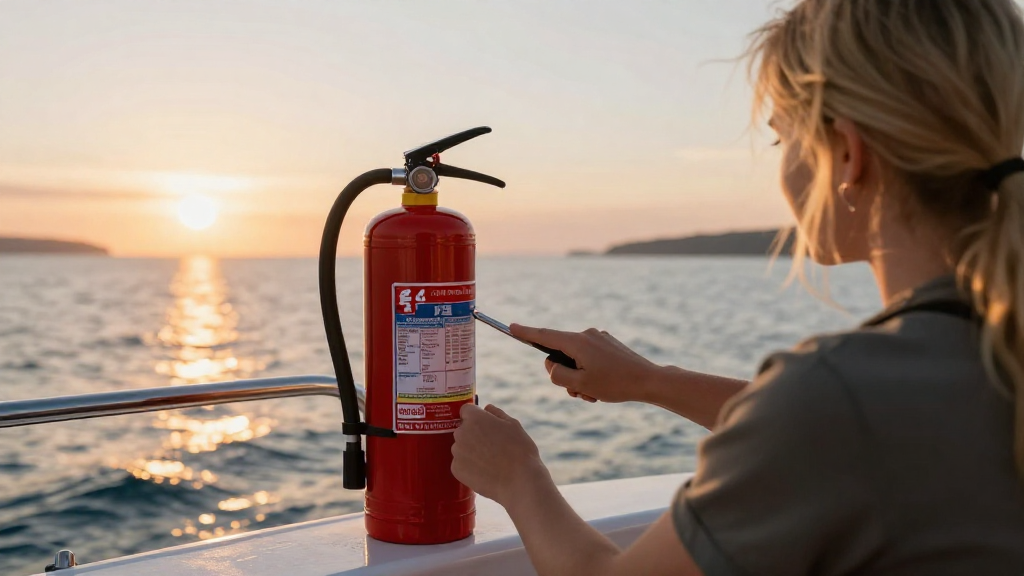
Knowing how to use a fire extinguisher on a boat is essential for any boater. With the unique risks associated with being on the water, understanding fire safety can mean the difference between a minor incident and a disaster.
Why Do You Need a Fire Extinguisher on Your Boat?
Fires can occur on a boat for various reasons, including:
- Electrical malfunctions
- Fuel leaks
- Cooking accidents
Having a fire extinguisher can provide immediate assistance and often contain a small fire before it escalates. It’s not just about having extinguishers on board; knowing how to use a fire extinguisher on a boat is crucial for your safety and those around you.
How Many Fire Extinguishers Should You Have?
The number of fire extinguishers required on a boat varies based on:
- Boat size
- Type of boat
- Number of people on board
General Guidelines:
- Vessels under 26 feet: At least one hand-held fire extinguisher.
- Vessels between 26 and 40 feet: At least two fire extinguishers.
- Vessels over 40 feet: At least three fire extinguishers.
Ensure that each fire extinguisher is easily accessible and positioned away from potential fire hazards.
How Do You Choose the Right Fire Extinguisher?
When selecting a fire extinguisher for your boat, consider the following factors:
- Types of fires: Common boating fires involve flammable liquids, electrical equipment, or ordinary combustibles.
- Fire extinguisher ratings: Extinguishers are classified according to the types of fires they can handle.
Here’s a breakdown of the classes:
- Class A: For ordinary combustibles (wood, paper, plastic).
- Class B: For flammable liquids (gasoline, oil).
- Class C: For electrical fires (wiring, equipment).
- Class D: For combustible metals.
- Class K: For cooking oils and grease.
Most marine fire extinguishers are rated for Class B and Class C fires, making them suitable for common boating fire scenarios.
How to Use a Fire Extinguisher on a Boat?
Now that you know about choosing the right fire extinguisher, let’s get to the practical aspect of how to use a fire extinguisher on a boat.
Follow these simple steps:
-
Pull the Pin:
– Ensure you have a firm grip on the extinguisher.
– Twist the pin to unlock it, allowing you to use the handle. -
Aim the Nozzle:
– Position the nozzle at the base of the fire.
– Aim at the source, as this is where you will have the most effect. -
Squeeze the Handle:
– Apply pressure to the handle.
– This releases the extinguishing agent. -
Sweep from Side to Side:
– Move the nozzle in a smooth, sweeping motion.
– Cover the entire area of the fire without losing focus on the base. -
Assess the Situation:
– Monitor the fire to ensure it does not reignite.
– If the fire continues to spread, prepare to evacuate.
Important Tips:
- Always stand back a few feet while using the extinguisher to maintain adequate distance.
- Never attempt to fight a fire if it poses a risk to your safety.
- Be aware of your surroundings and have an evacuation route planned.
What Should You Do After Using a Fire Extinguisher?
After using a fire extinguisher, consider the following steps:
- Evaluate the Area: Ensure the fire is completely extinguished and check for any potential flare-ups.
- Call for Help: If the fire was significant or you are unsure, contact local emergency services immediately.
- Replace or Recharge: Inspect the extinguisher for any damage. It may need to be replaced or recharged to ensure it’s ready for future use.
How Can You Prevent Fires on Your Boat?
While knowing how to use a fire extinguisher on a boat is vital, prevention is equally important. Here are some valuable tips to reduce fire risks on your vessel:
- Regular Inspections:
-
Check for gas leaks and ensure all equipment is functioning properly.
-
Proper Storage:
-
Store flammable materials securely and away from ignition sources.
-
Electrical Safety:
-
Ensure all electrical connections are safe and use marine-rated equipment.
-
Cooking Safety:
-
Never leave cooking unattended and keep flammable items away from the stove.
-
Maintain a Clean Environment:
- Regularly remove trash, particularly anything flammable.
What to Remember About Fire Extinguisher Maintenance?
Proper maintenance is crucial to ensure your fire extinguishers work effectively during an emergency.
Key Maintenance Tips:
- Regular Inspections: Check them monthly or during pre-boarding inspections.
- Check Pressure Gauges: Ensure they are fully charged and within green zones.
- Service Intervals: Follow the manufacturer’s guidelines for professional servicing.
- Expiration Dates: Be aware of the lifespan of each extinguisher and replace them when necessary.
Conclusion
Knowing how to use a fire extinguisher on a boat is an indispensable skill for all boat owners and operators.
Preparation and knowledge can help you respond effectively in an emergency situation.
By regularly checking your equipment, understanding fire safety protocols, and practicing proper maintenance, you can ensure that you are ready to tackle any unexpected fire hazards.
Stay safe on the water and protect yourself, your passengers, and your boat with the right knowledge and tools.