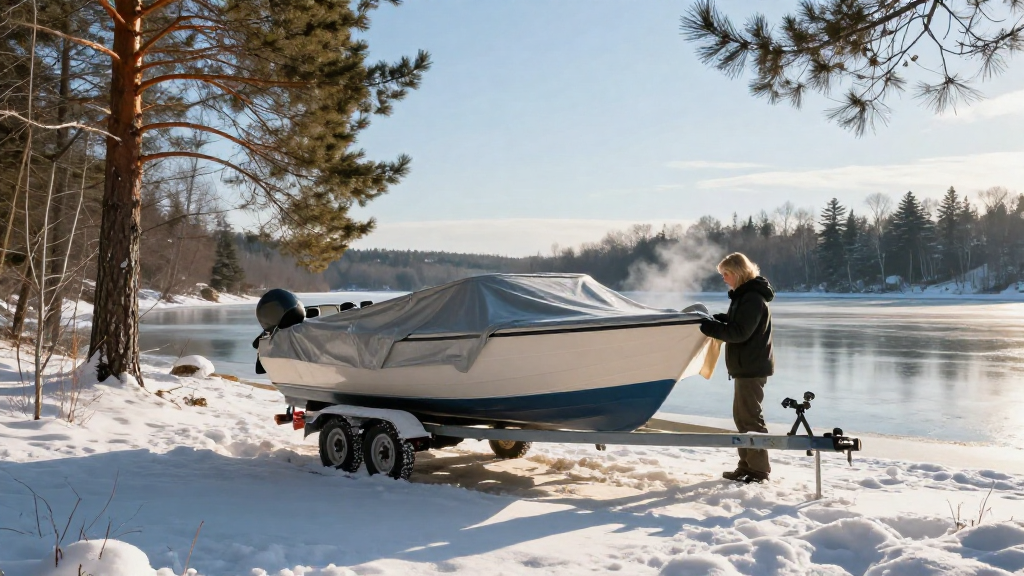
As the summer sailing days come to an end, many boat owners are left wondering how to store your boat for the winter.
When executed correctly, winter storage ensures your boat remains in top condition for the next season. In this guide, we’ll cover essential steps and best practices for protecting your vessel during the cold months.
Why Is It Important to Store Your Boat for the Winter?
Properly storing your boat for the winter is crucial for several reasons:
- Prevent Damage: Cold temperatures can lead to freezing of fluids, which may damage your engine and plumbing systems.
- Maintenance and Longevity: Taking the time to store your boat correctly can prolong its lifespan and reduce future repair costs.
- Pest Control: Rodents and insects may seek shelter in your boat during the colder months. Preventing their access helps avoid serious infestations.
What Supplies Do You Need for Winter Storage?
Before diving into the steps on how to store your boat for the winter, gather the necessary supplies:
- Cleaning Supplies: Boat cleaner, scrub brushes, and sponges for cleaning the exterior and interior.
- Shrink Wrap or Tarps: To cover and protect the boat from snow and ice.
- Battery Maintainer: To keep your battery charged and extend its life.
- Engine Fogger: To protect the engine from corrosion.
- Fluid Stabilizers: Fuel stabilizers and antifreeze for the engine and plumbing system.
- Dehumidifier: To reduce moisture and prevent mold and mildew buildup.
How to Clean Your Boat Before Winter Storage?
Step 1: Exterior Washing
Begin by cleaning the exterior of your boat.
- Rinse off saltwater and debris.
- Use a boat-approved cleaner to remove any grime.
- Don’t forget to clean the hull, including the propeller and trim tabs.
Step 2: Interior Maintenance
- Empty all contents from storage compartments.
- Vacuum the interior thoroughly, including carpeting.
- Clean all surfaces with appropriate cleaners, ensuring you reach corners and hidden spots.
Step 3: Inspect for Damage
While cleaning, take the opportunity to inspect for:
- Scratches or chips in the paint.
- Areas that may need touch-up or repairs.
- Signs of mold or mildew.
What Winterization Steps Do You Need to Take?
Winterizing your boat is an essential part of learning how to store your boat for the winter. Follow these steps to ensure it’s done right:
Step 1: Drain Water and Fluids
- Drain the Fuel Tank: Lowering the fuel in the tank can reduce condensation. Add a fuel stabilizer to prolong its life.
- Drain the Water System: Make sure to drain water from tanks, hoses, and the engine. Use antifreeze where needed to prevent freezing.
Step 2: Protect the Engine
- Fog the Engine: Use a fogging spray to coat the engine components. This will help reduce rust and corrosion.
- Change the Oil: An oil change is advisable to remove any contaminants that could damage the engine over time.
Step 3: Battery Management
- Disconnect the Battery: Clean any corrosion from terminals.
- Maintain a Charge: Use a battery maintainer to keep it charged throughout the winter.
How to Cover Your Boat for Winter Storage?
Step 1: Choose the Right Cover
You have two main options for covering your boat:
- Shrink Wrapping: This is the most effective way to protect your boat from moisture and pests but can be costly.
- Tarps or Covers: If done carefully, a good-quality tarp will work. Make sure to secure it with bungee cords or straps to prevent wind damage.
Step 2: Ventilation
To reduce mold and mildew buildup, ensure proper ventilation. If using a tarp, leave openings for airflow.
Where Is the Best Place to Store Your Boat for Winter?
When learning how to store your boat for the winter, location is crucial.
Indoor Storage:
- Temperature-Controlled Storage: Ideal but can be expensive. It protects from extreme temperatures and humidity.
- Unheated Indoor Storage: A more economical choice, but ensure that it’s dry and well-ventilated.
Outdoor Storage:
- On a Trailer: If you choose outdoor storage, placing your boat on a trailer allows for easier access and maintenance.
- Blocking: If your boat is not on a trailer, make sure to use proper blocking to prevent damage.
Advantages of Indoor vs. Outdoor Storage
| Indoor Storage | Outdoor Storage |
|---|---|
| Temperature control | Cost-effective |
| Better protection from pests | Requires proper covering |
| Reduced UV exposure | Easier accessibility |
How to Maintain Your Boat During Winter?
Even while your boat is stored, regular checks and maintenance can help keep it in good shape:
- Monthly Checks: Perform monthly inspections to check for moisture and pests.
- Cleaning: Remove any debris that accumulates on the cover or tarp.
- Battery Checks: Confirm that battery maintainers are functioning properly.
What to Do Before Launching Again in Spring?
As spring approaches and you’re getting ready for the season, there are critical steps to take:
- Remove the Cover: Check for any accumulated moisture or debris.
- Inspect Again: Look for any signs of damage that may have occurred during storage.
- Check All Systems: Refill fluids, reconnect the battery, and perform a test run on the engine.
- Cleaning: Give your boat another thorough cleaning before you hit the water.
Conclusion
Understanding how to store your boat for the winter is an essential skill for every boat owner.
From cleaning and maintenance to choosing the right storage location and covering, taking these steps ensures your boat remains in prime condition.
Invest the time and effort in proper winterization practices, and you’ll reap the rewards come springtime. Happy boating!