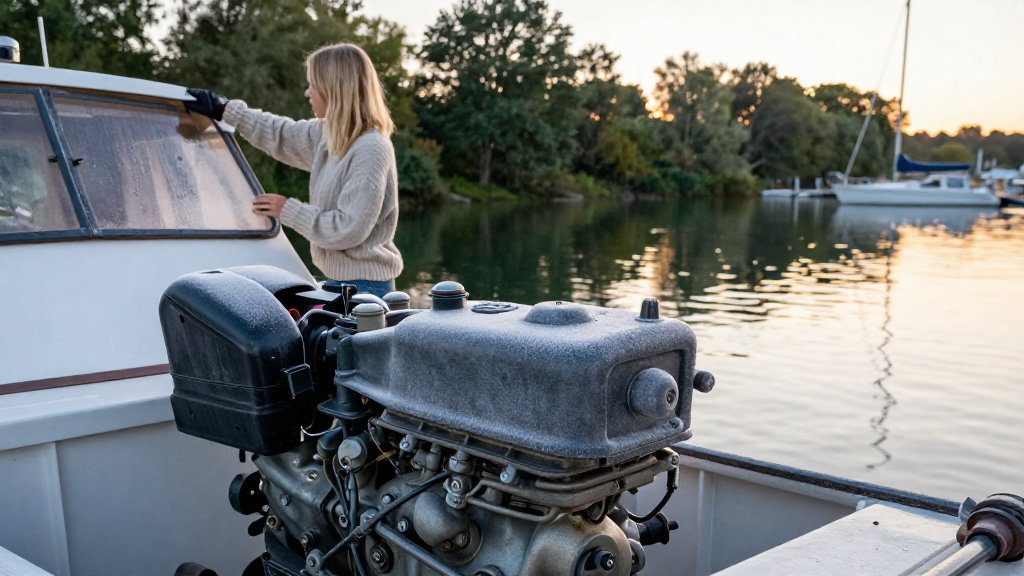
As the boating season approaches, many boat owners are eager to learn how to start a boat engine after winter. Properly preparing your engine can help you avoid costly repairs and ensure a smooth ride on the water.
Why Is It Important to Prepare Your Boat Engine?
After months of inactivity during the winter, your boat engine requires special attention.
Winterization protects the boat but also means there are additional steps needed to ensure a successful start.
Here are a few reasons to prepare your boat engine for spring:
- Fuel Quality: Winter can degrade fuel quality, making it essential to check and update your fuel.
- Battery Health: Batteries can lose charge during the cold months, so testing and recharging is crucial.
- Lubrication: Engine oil might need changing to ensure proper lubrication.
- Corrosion Risks: Water remnants can cause corrosion or rust; a thorough inspection is necessary.
What Are the Steps to Start the Boat Engine After Winter?
Knowing how to start a boat engine after winter involves a series of critical steps.
Follow this guide to ensure your engine is ready for the season:
1. Inspect the Boat and Engine
Before starting the engine, conduct a thorough inspection of your boat and its components.
- Check for Damage: Look for visible signs of wear or damage that may have occurred over winter.
- Inspect the Hull: Ensure that the hull is free of cracks and damage.
- Look at the Propeller: Ensure the propeller is intact and free of obstructions.
2. Check the Battery
The battery is one of the most important components to check when learning how to start a boat engine after winter.
Follow these steps:
- Charge the Battery: If the battery has lost its charge, use a battery charger to bring it back up to optimal levels.
- Inspect Terminals: Make sure there are no corrosion or loose connections.
- Test the Voltage: Use a multimeter to ensure the battery is fully functional.
3. Change the Oil and Filter
Old oil can cause engine problems, so changing the oil is crucial.
Here’s what to do:
- Drain the Old Oil: Remove the old engine oil completely to prevent contaminants from mixing with new oil.
- Replace Oil Filter: Always replace the oil filter when changing oil.
- Use Quality Oil: Fill the engine with the manufacturer-recommended oil type.
4. Check and Replace Fuel
If you winterized your boat properly, you might have treated the fuel before winter storage.
Here’s how to handle fuel on your boat:
- Inspect Fuel Lines: Check for leaks, splits, or wear in the fuel lines that could lead to disaster.
- Replace Old Fuel: Drain any old fuel that may have degraded over winter.
- Add Fresh Fuel: Fill the tank with fresh fuel, ideally with a fuel stabilizer.
5. Inspect the Cooling System
The cooling system is critical for the engine to operate smoothly.
To prepare it for use, consider the following:
- Check Hoses: Look for cracks or leaks in the hoses that could cause overheating.
- Test the Water Pump: Ensure the water pump is functioning properly.
- Flush the System: If needed, flush the cooling system to remove any debris or corrosion.
6. Test the Fuel System
After performing all necessary checks, it’s important to ensure the fuel system works efficiently.
- Inspect Fuel Filters: Replace dirty filters to improve fuel flow.
- Check for Leaks: Ensure the system is leak-free to prevent any safety hazards.
- Prime the System: If applicable, prime the fuel system to allow fuel to flow to the engine.
7. Start the Engine
Now that you have taken the necessary precautions, it’s time to start the engine.
Follow these detailed steps:
- Turn on Power: Switch the battery to the “on” position.
- Verify Control Functions: Check throttle and gear shifts for smooth operation.
- Crank the Engine: Start cranking the engine by turning the ignition key. If it doesn’t start within a few attempts, check for issues with the battery or fuel supply.
- Listen for Unusual Sounds: Once it starts, listen for any unusual noises. This may indicate an issue that needs addressing.
8. Monitor the Engine
Keep an eye on the engine as it warms up.
- Check for Warning Lights: Pay attention to any dashboard warning lights.
- Temperature and Pressure: Monitor the engine temperature and oil pressure.
- Look for Leaks: Inspect for any signs of fuel, oil, or water leaks while the engine is running.
9. Take It for a Test Run
A test run is the best way to confirm everything is working fine after you’ve learned how to start a boat engine after winter.
- Go Slowly: Start off at a slow speed to ensure everything is functioning correctly.
- Test Controls: Check throttle response and steering capabilities.
- Return to the Marina If Issues Arise: If you notice any unusual sounds or performance issues, return to dock immediately.
What Should You Do If the Engine Doesn’t Start?
If you face trouble starting the engine, don’t panic. Here’s a quick troubleshooting guide:
- Recheck Battery: Ensure it has enough charge.
- Inspect Fuel Supply: Make sure fresh fuel is in the tank and the system is primed.
- Look for Blockages: Check the air intake for any obstructions.
- Consult a Mechanic: If problems persist, it may be best to consult a marine mechanic.
Conclusion
In conclusion, learning how to start a boat engine after winter is crucial for ensuring a smooth start to your boating season.
By following this guide, you can perform thorough inspections and necessary preparations before hitting the water.
Always remember, proper maintenance not only keeps your boat in top shape but also enhances your overall boating experience.
Happy boating!