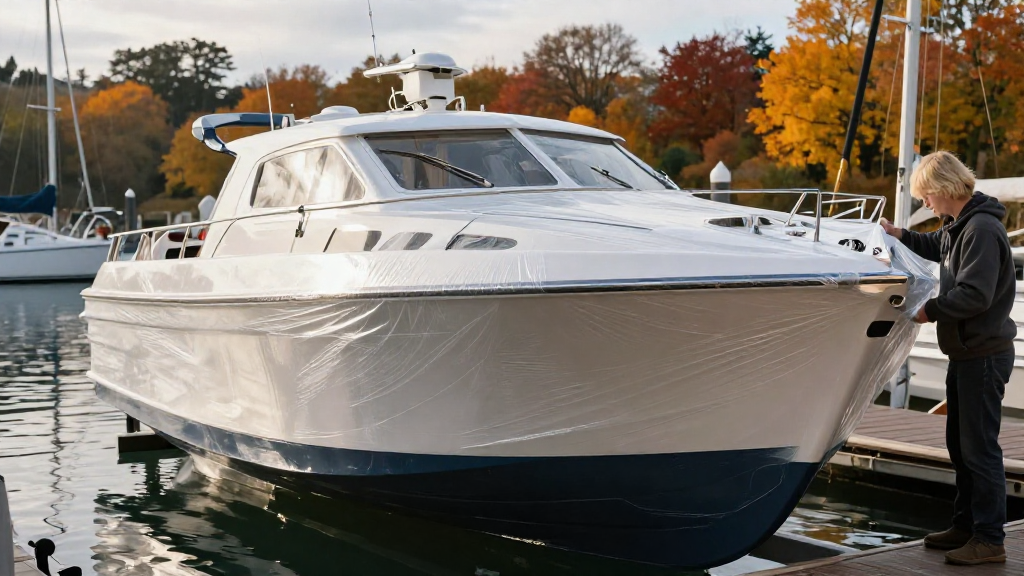
If you’re wondering how to shrink wrap a boat for winter protection, you’ve come to the right place. This essential guide will walk you through the process step-by-step, ensuring your vessel is safeguarded from harsh winter elements.
Why Should You Shrink Wrap a Boat?
Understanding the importance of shrink wrapping is crucial before we dive into the actual process.
Shrink wrapping provides:
- Protection from Snow and Ice: Heavy snow and ice can cause significant damage, and shrink wrapping prevents accumulation on the boat.
- Shield Against UV Rays: In addition to winter protection, it also guards against harmful UV rays during the warmer months.
- Pest Prevention: Shrink wrap creates a barrier against insects and rodents that might invade your boat.
- Moisture Control: A well-secured wrap helps prevent mildew and mold by limiting exposure to moisture.
These benefits make it clear that learning how to shrink wrap a boat is essential for maintaining its longevity.
What Materials Do You Need for Shrink Wrapping?
Before you start learning how to shrink wrap a boat, gather the necessary materials. Here’s a concise list of what you’ll need:
- Shrink Wrap Film: Typically, 6-mil thickness is recommended for boats.
- Shrink Wrap Tape: To secure seams and edges.
- Marine Shrink Wrap Ventilation Socks: To allow moisture to escape while keeping debris out.
- Heat Gun: For shrinking the wrap effectively.
- Rope or Line: For securing the wrap to the boat.
- Support Poles: For providing shape to the shrink wrap and preventing water accumulation.
How Do You Prepare Your Boat for Shrink Wrapping?
Preparation is key when learning how to shrink wrap a boat.
-
Clean the Boat Thoroughly:
Start by washing the boat, ensuring all dirt, debris, and mold are removed. This not only enhances the wrap’s adhesion but also protects your boat. -
Remove All Loose Items:
Take out anything that could get damaged or hinder the wrapping process. This includes cushions, electronics, and any delicate gear. -
Inspect for Repairs:
Make a thorough inspection for leaks and structural issues. It’s best to make repairs before wrapping to avoid trapping moisture inside. -
Assess Your Height:
Identify how high the shrink wrap needs to go. This will determine how much wrap you need and what pole height you require.
How to Properly Shrink Wrap Your Boat?
Now that you’ve prepared your boat, let’s discuss how to shrink wrap a boat effectively:
-
Set Up Support Poles:
Position the support poles to create a dome shape. This allows for water runoff and prevents sagging. -
Cut the Shrink Wrap:
Measure the needed length for the boat from bow to stern, adding a few extra feet for secure overlapping. -
Drape the Shrink Wrap:
Lay the shrink wrap over the boat, ensuring it hangs evenly on both sides. -
Secure the Wrap:
Use the rope or line to tie down the wrap securely to the boat. Make sure the wrap is tight to prevent wind from getting underneath. -
Seal the Edges with Tape:
Use shrink wrap tape to secure all edges and seams. This prevents moisture and pests from getting inside. -
Create Vents:
Install ventilation socks according to the manufacturer’s instructions. This is crucial for preventing mildew buildup during the winter months. -
Use the Heat Gun:
Carefully apply heat to the shrink wrap with a heat gun, shrinking it tightly against the boat’s shape.
- Tip: Keep the heat gun moving continuously to avoid burning the wrap.
How Do You Ensure Proper Ventilation?
Proper ventilation is critical in the shrink-wrapping process.
Here are some suggestions:
- Use Ventilation Socks: These allow moisture to escape without letting pests inside.
- Place Vents at High and Low Points: Install socks at both high and low points of the wrap so air can circulate effectively.
Proper ventilation significantly reduces the chances of mildew, ensuring your boat remains in optimal condition.
What to Do After Shrink Wrapping?
Once you have wrapped your boat, it’s essential to perform a few final steps to guarantee its protection:
-
Inspect the Wrap:
Conduct a thorough inspection to check for any loose areas or potential weak points that need addressing. -
Prepare for Snow Accumulation:
Monitor the wrap throughout the winter. If heavy snow accumulates, gently remove it using a soft broom or shovel to avoid putting stress on the structure. -
Regular Checks:
Periodically check on your boat throughout the winter to ensure the integrity of the wrap remains intact.
When Should You Remove the Shrink Wrap?
Timing for removing the shrink wrap is just as crucial as applying it.
-
Wait Until Spring:
It is best to wait until temperatures consistently rise above freezing before removing the wrap to avoid potential damage to the boat due to melting snow or ice. -
Inspect the Boat First:
Check for any signs of water accumulation or damage before proceeding.
Conclusion
Learning how to shrink wrap a boat may initially seem like a daunting task, but following these step-by-step guidelines makes it manageable for any boat owner.
By taking the time to shrink wrap properly, you will protect your investment from winter weather, ensuring it’s primed and ready to set sail come spring.
Remember to gather your supplies, prepare your boat properly, and follow the wrapping process diligently. With the right techniques and materials, your boat will emerge from winter safe and sound, ready for the next adventure!