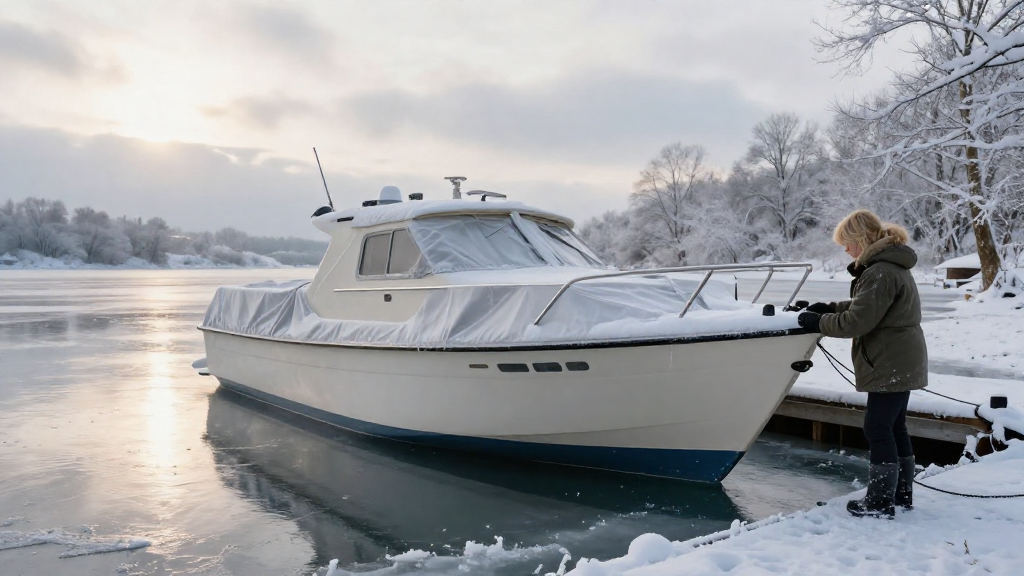
As winter approaches, many boat owners find themselves asking how to prevent freezing damage on a boat.
Winter weather can be particularly harsh on vessels, leading to costly repairs and irreversible damage.
In this article, we will explore effective strategies and tips to safeguard your boat during the winter months.
What Causes Freezing Damage on Boats?
Freezing temperatures can wreak havoc on a boat if proper precautions are not taken.
The most common causes of freezing damage on a boat include:
-
Water Expansion: When water freezes, it expands.
This expansion can split pipes, tanks, and even the hull if water is trapped inside. -
Frost and Ice Accumulation: Ice can accumulate on various parts of the boat, including the deck and equipment.
This weight can cause structural issues and potential capsizing. -
Moisture Damage: Humidity inside the engine or on sensitive electronics can cause rust and mold.
A boat left unattended in cold weather without proper ventilation is especially vulnerable to this damage.
How to Prevent Freezing Damage on a Boat?
Addressing freezing damage requires planning and proper procedures.
Here are practical steps you can take to effectively minimize risk:
1. Drain All Water Systems
One of the first steps in how to prevent freezing damage on a boat involves draining all water systems.
- Freshwater Tanks: Completely empty your freshwater tanks to avoid expansion from freezing.
-
Hoses and Lines: Make sure all hoses and lines, including those for sinks, showers, and toilets, are thoroughly drained.
-
Winterize the Engine: Ensure that your boat’s engine is winterized, which involves removing water and adding antifreeze to prevent freezing.
2. Use Antifreeze Wisely
Utilizing antifreeze is an essential part of how to prevent freezing damage on a boat.
- Non-toxic Antifreeze: Use marine-grade, non-toxic antifreeze for freshwater systems.
- Engine Antifreeze: Make sure the engine’s cooling system is serviced with a proper mixture for your climate.
3. Remove Valuable Equipment
Another proactive step is to remove valuable or sensitive equipment from the boat.
Consider taking off:
- Electronics: GPS devices, radios, and fish finders should ideally be stored indoors.
- Cushions and Upholstery: Take out any soft furnishings that could be damaged by moisture or mold.
4. Cover and Protect
Using appropriate covers and protective gear is crucial in how to prevent freezing damage on a boat.
- Use a Quality Cover: A good-quality boat cover can protect against snow, ice, and frost.
- Supports and Frames: For large boats, consider using a frame to support the cover and prevent weight accumulation.
5. Choose the Right Storage Method
How you store your boat can significantly impact its vulnerability to freezing conditions.
- Indoor Storage: If possible, store your boat indoors in a heated environment.
- Outdoor Storage with Accessories: If indoor storage is not feasible, use a sturdy tarpaulin and ensure that the boat is elevated off the ground to prevent moisture accumulation.
6. Inspect Regularly
Once winter sets in, it’s essential to regularly inspect your boat.
- Check on Accumulation: Remove snow and ice from the cover and surfaces to prevent weight stress.
- Ventilation: Ensure that there’s enough ventilation to prevent moisture build-up, which can lead to mold growth.
When Should You Start Preparing Your Boat for Winter?
Planning ahead is a vital aspect of how to prevent freezing damage on a boat.
- Late Summer to Early Fall: Begin preparations as summer winds down. Winterize your boat before temperatures plummet.
- Regular Check-Ups: Conduct regular checks throughout the fall to ensure all systems are functioning correctly.
What About Boats in the Water?
For boat owners who keep their vessels in water year-round, there are additional considerations.
- Heaters: Consider installing a marine heater for open compartments and engine rooms to prevent freezing.
- Bubbler Systems: These can keep water circulating around the hull and prevent ice formation.
How to Handle Emergencies?
If an unexpected cold snap occurs and you’re caught unprepared, here are some emergency measures.
- Check for Damage: Regularly inspect your boat for cracks or leaks.
- Prepare First Response Equipment: Keep tarps, towels, and emergency antifreeze onboard.
Conclusion
Now that we’ve explored how to prevent freezing damage on a boat, it’s time to take action.
By following these essential steps and preparing in advance, you can protect your investment and enjoy peace of mind throughout the winter months.
Remember to drain water systems, use proper antifreeze, and consider indoor storage to maximize protection.
With diligent care and preparation, you can keep your boat safe and sound until it’s time to hit the water again in spring.
By adhering to these guidelines, you’re not only ensuring your boat’s longevity but also preserving its value and enhancing your boating experience for years to come.