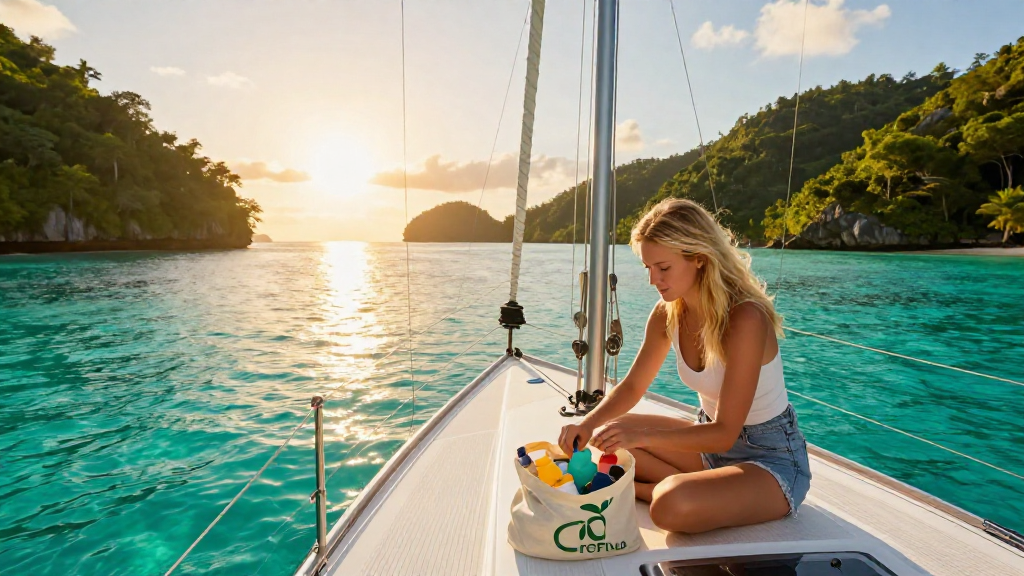
Are you looking for the ultimate guide on how to plan a zero-waste boat trip? You’re in the right place! This article will provide you with essential tips to minimize waste while enjoying the serene beauty of the waters.
Why Choose a Zero-Waste Boat Trip?
Choosing a zero-waste lifestyle is more than just a trend; it’s a commitment to protecting our planet.
When it comes to boating, traditional practices often lead to significant waste.
By planning a zero-waste boat trip, you not only reduce your environmental impact but also encourage others to follow suit.
Here are some benefits:
- Protects Marine Life: By reducing waste, you help keep oceans cleaner.
- Sustainable Practices: It encourages sustainable boating habits.
- Enhanced Experience: Less waste can often mean a more enjoyable and authentic experience in nature.
What Supplies Do You Need for a Zero-Waste Boat Trip?
To successfully embark on a zero-waste journey, proper preparation is key. Below is a list of essential supplies you’ll need:
-
Reusable Water Bottles: Carry enough water for the trip to minimize plastic usage.
-
Cloth Bags: Bring reusable bags for any snacks or items you may purchase during your trip.
-
Bamboo Utensils: Replace plastic utensils with a durable bamboo set that can easily fit in your bag.
-
Compostable Plates and Bowls: Opt for compostable dinnerware instead of disposable plastics.
-
Refillable Containers: Use glass jars to store any foods that typically come in plastic packaging.
-
Biodegradable Soap: Bring eco-friendly soap for cleaning dishes and hands.
-
Trash and Recycling Bags: Even with planning, you may still generate waste; ensure you have bags to separate trash and recyclables.
By packing these items, you significantly reduce your reliance on single-use plastics during your boat trip.
Where Will You Go on Your Zero-Waste Boat Trip?
Selecting your destination is vital in how to plan a zero-waste boat trip.
Consider places that are known for their pristine environments and encourage sustainable tourism.
Some popular destinations include:
-
National Parks: Many parks have regulations in place to maintain their natural habitats.
-
Eco-Friendly Marinas: Research marinas that support environmental sustainability.
-
Less-Crowded Areas: Opt for less populated areas to enjoy solitude while reducing environmental impact.
How Do You Meal Prep for a Zero-Waste Boat Trip?
Food is often a significant source of waste during trips. Here’s how to effectively meal prep:
-
Plan Meals in Advance: Planning helps avoid overpacking and food waste.
-
Buy in Bulk: Purchase your ingredients in bulk to minimize packaging.
-
Opt for Local Produce: Supporting local farmers not only boosts sustainability but reduces your carbon footprint.
-
Create a Menu: Design a simple menu that outlines what you’ll eat each day.
-
Pack Snacks in Reusable Containers: Instead of purchasing pre-packaged snacks, create your own trail mix or energy bars.
-
Avoid Perishables: Mechanically shelf-stable foods are better for long trips to limit spoilage.
What Activities Can You Enjoy on a Zero-Waste Boat Trip?
While on a zero-waste boat trip, you can enjoy various eco-friendly activities. Here are some ideas:
-
Snorkeling or Diving: Explore the underwater world while being mindful of protecting marine ecosystems.
-
Bird Watching: Bring along binoculars to spot local wildlife without disturbing it.
-
Fishing: Abide by local regulations and limit waste by practicing catch-and-release methods.
-
Photography: Capture the beauty of your surroundings without leaving a trace.
-
Nature Hikes: Explore nearby trails and leave only footprints behind.
Not only will these activities deepen your appreciation of nature, but they also encourage a sustainable lifestyle.
How to Leave No Trace on Your Zero-Waste Boat Trip?
The principle of leaving no trace is essential when planning a zero-waste boat trip. Here’s how to adopt this mindset:
-
Respect Wildlife: Keep a safe distance and do not feed animals, as it can disrupt their natural behavior.
-
Stay on Designated Paths: When exploring areas on land, stick to marked trails to minimize damage to vegetation.
-
Leave Items Behind: Things like shells and stones should be left as you found them to preserve local ecosystems.
-
Environmental Cleanup: Consider organizing a mini beach clean-up with your group to give back to the environment.
-
Educate Others: Share your experiences and teach fellow boaters about zero-waste practices.
By following these guidelines, you can ensure that your presence has minimal impact on the places you visit.
How to Involve Others in Your Zero-Waste Boat Trip?
Your zero-waste boat trip can inspire family and friends to adopt sustainable practices. Here’s how to involve them:
-
Share the Goals: Discuss your intentions before the trip to gain everyone’s understanding.
-
Assign Roles: Have each person be responsible for certain aspects, such as meal prep or equipment check.
-
Encourage Participation: Make the activities engaging to ensure everyone is involved.
-
Lead by Example: Show them how easy it is to adopt zero-waste habits, making it advantageous for the entire group.
-
Reflect on the Experience: After your trip, share stories and outcomes to kindle interest in future zero-waste adventures.
Involving others not only enhances the experience but also spreads the zero-waste message further.
Conclusion: Ready to Plan Your Zero-Waste Boat Trip?
Now that you understand how to plan a zero-waste boat trip, it’s time to put these tips into action.
Remember to prioritize:
- Preparation: Gather the right supplies for your journey.
- Destination Choices: Pick eco-friendlier locations that support sustainable practices.
- Waste Management: Create a menu and pack meals that minimize food waste.
- Respect for Nature: Always leave nature as you found it and share your love for sustainability with others.
By taking these steps, your boat trip will not only be enjoyable but also leave minimal environmental impact.
Happy sailing!