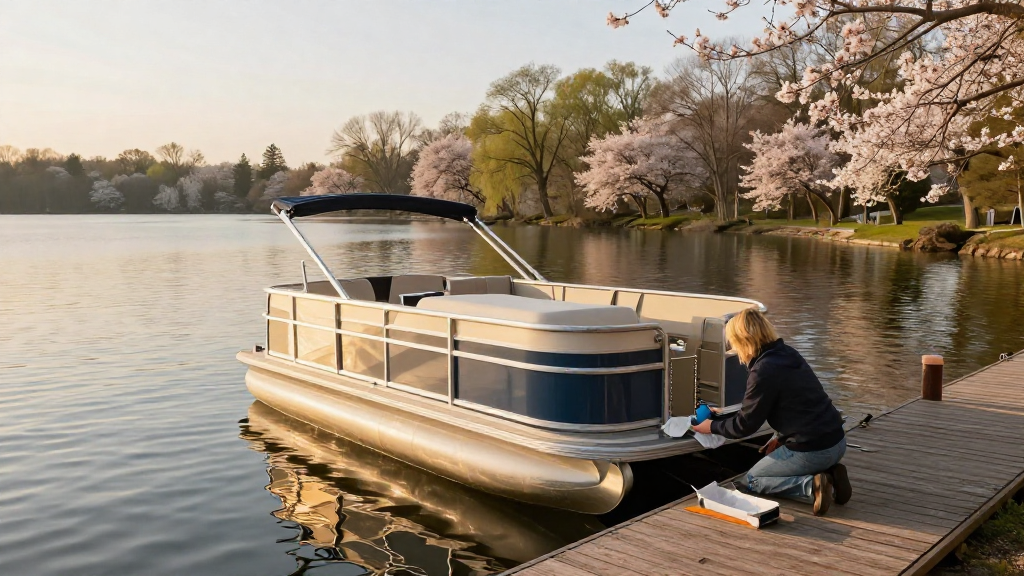
As spring approaches, many boat owners are eager to start enjoying their pontoon boats again. Learning how to de-winterize a pontoon boat is essential to ensure a safe and enjoyable boating season.
In this guide, we’ll provide step-by-step instructions on de-winterizing your pontoon, helping you get back on the water quickly and efficiently.
What is De-Winterization?
De-winterization is the process of preparing your pontoon boat for spring after it has been winterized. This involves:
- Removing winter covers and tarps.
- Inspecting and servicing the engine.
- Flushing the systems that may have been winterized.
- Ensuring all components are in good working condition.
Why is De-Winterizing Important?
Knowing how to de-winterize a pontoon boat is important because:
- Safety: Any issues that occurred during the winter can pose safety risks when boating.
- Performance: A well-prepared boat performs better and is more enjoyable.
- Longevity: Regular maintenance can significantly extend the life of your pontoon.
How Do You Start the De-Winterization Process?
1. Remove Tarps and Winter Covers
First, remove any tarps or covers used to protect your pontoon boat during the winter.
Check the following:
- Condition of the Cover: Look for tears or damage.
- Presence of Debris: Inspect for any leaves or other debris that might have accumulated underneath the cover.
After removing the cover, clean any remaining dirt or dust from the surface of your boat.
2. Inspect the Hull and Deck
Next, take a close look at the hull and deck for any damage.
You should:
- Look for signs of wear or cracks.
- Check for blisters or other types of damage caused by freeze-thaw cycles.
- Clean the hull thoroughly to remove algae and any other contaminants.
How Do You Check the Engine and Fuel System?
3. Inspect the Engine
The engine is one of the most critical components of your pontoon.
When assessing your engine, do the following:
- Visual Inspection: Look for any signs of leaks, cracked hoses, or corrosion around the battery terminals.
- Oil Check: Check the engine oil levels and quality. If it looks dark or gritty, change it.
- Replace the Oil Filter: If you haven’t changed it since last spring, it’s time to do so.
4. Fuel System Check
Inspect the fuel system to ensure it’s ready for use.
Follow these steps:
- Fuel Quality: Make sure the fuel hasn’t degraded. If it has, drain it and replace it with fresh fuel.
- Add Fuel Stabilizer: If you neglected to do so prior to winterization, adding a fuel stabilizer can help prevent engine problems.
5. Examine the Battery
Batteries can deteriorate during the winter, so it’s essential to check yours.
Here’s what to do:
- Charge the Battery: Ensure it’s fully charged before attempting to start the engine.
- Look for Corrosion: Clean any corrosion off the connectors and terminals.
How Do You Check Your Boat’s Systems?
6. Inspect the Steering and Control Systems
Your pontoon’s steering and control systems should also be checked.
Here’s how:
- Test the steering wheel for smooth movement.
- Inspect cables and connectors for signs of wear or damage.
7. Check the Electrical System
Make sure all electrical components are functioning correctly.
You need to:
- Test lights, switches, and any electronics to ensure they’re operational.
- Inspect wiring for corrosion or damage.
8. Examine the Plumbing System
If your pontoon has a plumbing system (sinks, toilets, etc.), ensure it’s ready for the season.
Follow these steps:
- Flush the System: Remove any antifreeze residue by flushing the freshwater system with the appropriate solution.
- Inspect Hoses: Check for cracks or leaks in the hoses.
How Do You Prepare for Safety?
9. Check Safety Equipment
Safety should always come first when boating.
Be sure to:
- Inspect life jackets for wear and tear.
- Test the fire extinguisher and ensure it’s not expired.
- Check first aid kits and replace any used items.
How Do You Finalize the De-Winterization Process?
10. Final Check and Test Run
After performing all inspections and maintenance, it’s time for a final check.
Make sure:
- All tools and equipment are stored properly.
- The boat is clean and organized.
- You have checked the weather before heading out.
11. Conduct a Test Run
Before embarking on the first big trip of the season:
- Launch your pontoon boat in a safe environment.
- Monitor how it handles and listen for any unusual noises.
This step ensures everything is in working order before you hit the open water.
Conclusion: What’s Next After De-Winterizing?
Now that you know how to de-winterize a pontoon boat, you’re well on your way to a great boating season.
Remember, regular maintenance throughout the boating season is crucial to keep your pontoon in top shape.
Make it a habit to check your boat before and after each outing to ensure it remains safe and enjoyable.
Happy boating!