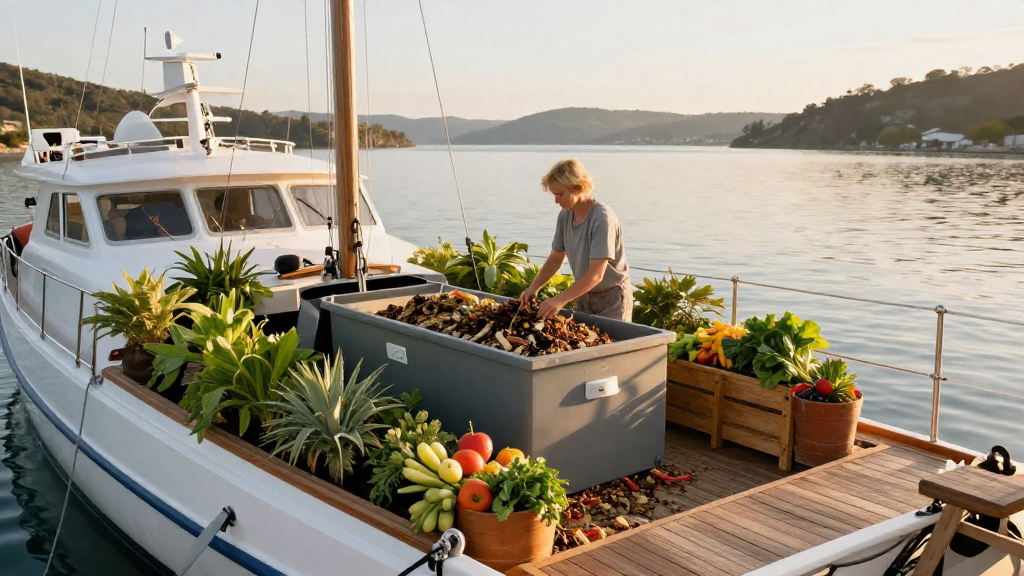
If you’re wondering how to compost on a liveaboard boat, you’re not alone.
Many boaters are looking for sustainable ways to manage waste while enjoying life on the water.
In this article, we’ll explore the essentials of setting up a composting system that fits your boat’s unique space and lifestyle.
What Do You Need to Start Composting on a Liveaboard Boat?
Before diving into the how-to aspect, let’s gather the basic requirements for your composting system.
Here’s what you’ll need:
- Composting bin: Choose a compact, airtight bin that suits your boat’s size.
- Carbon-rich materials: This includes dried leaves, straw, or shredded paper.
- Nitrogen-rich materials: This includes kitchen scraps like vegetable peels, coffee grounds, and eggshells.
- Water source: You’ll need a way to add moisture to your compost.
- Bacteria starter: You can buy compost starter kits or use soil from your garden.
Why is Composting Important on a Liveaboard Boat?
Understanding the benefits of composting on a liveaboard boat enhances motivation.
Here are a few reasons why composting will significantly improve your boating experience:
- Waste Reduction: Helps reduce the amount of waste produced on board.
- Soil Improvement: Provides nutrient-rich compost for any plants you may grow.
- Environmental Impact: Encourages sustainability by minimizing waste dumped in the water.
- Odor Control: A well-maintained compost system can mitigate unpleasant smells.
- Water Conservation: Composting helps retain moisture, which is important on a boat.
How To Choose the Right Composting Bin for Your Boat?
Selecting the right composting bin is pivotal to your success.
Look for these features:
- Size: Ensure it can fit comfortably in your galley or storage area.
- Material: Stainless steel or sturdy plastic is preferable for durability and ease of cleaning.
- Airtight Seal: This prevents pests and minimizes odors.
- Ventilation: Make sure there are holes for airflow to help decomposition.
What Can You Compost on a Liveaboard Boat?
When wondering how to compost on a liveaboard boat, knowing what can and cannot go into your compost bin is crucial.
Here’s a quick list of suitable materials:
Compostable Kitchen Scraps
- Fruit and vegetable peels
- Coffee grounds and filters
- Eggshells
- Used paper napkins (not bleached)
Carbon-Rich Materials
- Shredded newspaper
- Cardboard
- Dry leaves
- Straw
Avoid Composting
- Meat and dairy products (attract pests)
- Oily foods
- Pet waste
- Disease-ridden plants
How to Maintain Your Composting System on a Liveaboard Boat?
Maintaining your composting system is essential for efficiency.
Follow these steps for optimal results:
-
Balance the Greens and Browns: Make sure you have a good mix of nitrogen-rich (green) and carbon-rich (brown) materials.
-
Turn the Compost: Regularly aerate the compost by turning it. This encourages decomposition and prevents odors.
-
Monitor Moisture Levels: Your compost should be like a damp sponge. If it’s too dry, add water; if it’s too wet, add more carbon-rich materials.
-
Check for Smells: A well-maintained compost should not smell foul. If it does, it likely needs more aeration or a better balance of materials.
Can You Compost While You Are Underway?
Wondering how to compost on a liveaboard boat while underway is common.
The good news is that you can! Here are some tips:
- Secure the Bin: Ensure your composting bin is secured to prevent spills.
- Reduce Load: Only collect materials when sailing. Limit volume while you’re on the move.
- Monitor Conditions: Be sensitive to weather and sea conditions; excess moisture may require different handling.
How Long Does Composting Take on a Liveaboard Boat?
Time varies depending on several factors, including:
- Material Composition: Smaller pieces break down faster.
- Aeration: More frequent turning encourages quicker composting.
- Temperature: Warmer temperatures speed up the breakdown.
Generally, you can expect compost to be ready in 3 to 6 months.
Where Can You Use the Finished Compost?
Once your compost is ready, you can use it in various ways:
-
Deck or Container Garden: Enrich the soil for herbs or vegetable plants grown on your boat.
-
Land-Based Plants: Share with friends or fellow boaters who may have soil that could benefit.
-
Community Gardens: Donate excess compost to local community gardens if you have any nearby.
What Challenges Might You Face When Composting on a Liveaboard Boat?
Despite the numerous benefits, you could face certain challenges:
- Space Constraints: Limited room on boats can make it hard to find suitable storage for your compost.
- Moisture Control: High humidity levels can lead to overly wet compost.
- Pest Attraction: Improperly managed compost could attract unwanted pests or rodents.
- Intermittent Usage: Running out of supplies or time could interrupt your composting schedule.
To overcome these challenges, proper planning and regular monitoring are essential.
Conclusion: Is Composting for You?
So, now you know how to compost on a liveaboard boat!
Composting is a rewarding way to manage waste, enhance your onboard garden, and contribute to sustainable living.
With the right bin, materials, and maintenance, you can reap the benefits of composting while enjoying life on the water.
By implementing these strategies, you’ll not only live more sustainably but also find joy in nurturing life—all onboard your boat.
So, sail away with your eco-friendly mindset! Happy composting!