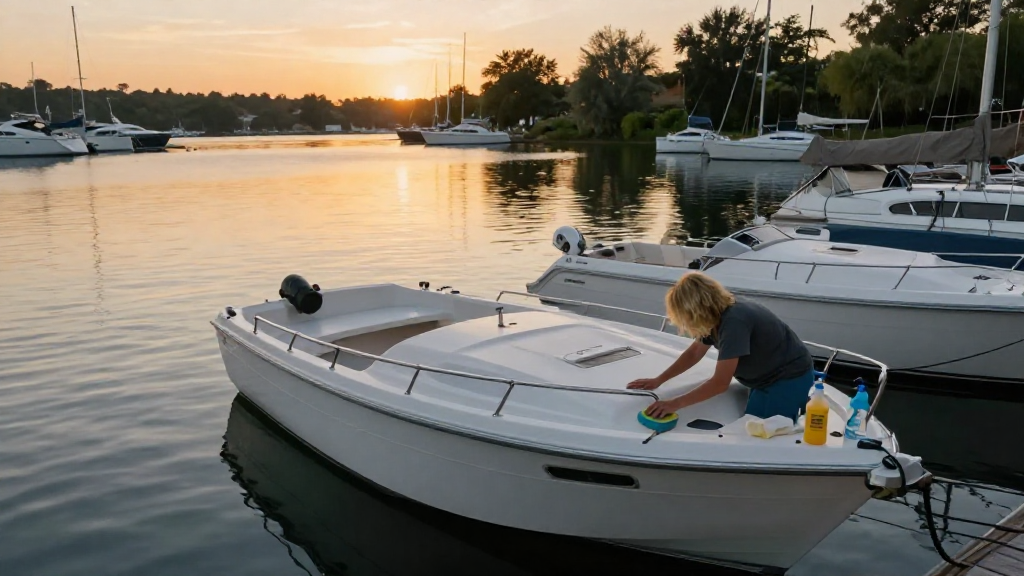
As summer comes to a close, many boat owners are faced with the important task of how to clean your boat after summer.
Proper cleaning and storage ensure that your vessel remains in excellent condition for years to come.
Whether you’re a seasoned sailor or a weekend water enthusiast, this guide will walk you through the best practices for cleaning and storing your boat.
Why Is It Important to Clean Your Boat?
Cleaning your boat is crucial for several reasons:
- Prevents Damage: Salt, algae, and grime can lead to corrosion and damage over time.
- Maintains Value: A well-maintained boat retains its value better than a neglected one.
- Safety: A clean deck reduces the risk of slips and falls.
- Readiness for Next Season: Proper cleaning allows you to spot any necessary repairs before the next boating season.
By knowing how to clean your boat after summer, you take the first step in ensuring its longevity.
What Supplies Do You Need for Cleaning Your Boat?
Before you start the cleaning process, gather your supplies. Here’s a checklist to help you:
- Boat Soap: A specialized soap that is gentle on the boat’s materials.
- Soft Brushes: For scrubbing without causing damage.
- Microfiber Cloths: For drying and polishing surfaces.
- Bucket: For mixing soap and water.
- Hose with Spray Nozzle: For rinsing.
- Protective Gloves: To protect your hands while cleaning.
- Vinyl Cleaner: For cleaning seats and upholstery.
- Mildew Remover: To ensure that no mold develops during storage.
Having the right materials will make the process of how to clean your boat after summer much easier and efficient.
How Do You Begin the Cleaning Process?
Step 1: Rinse the Exterior
Start by rinsing the entire exterior of your boat with fresh water.
This helps remove any salt, dirt, or debris accumulated over the summer.
Using a hose with a spray nozzle ensures that you can reach all areas, including:
- The hull
- The deck
- The windows
After rinsing, it’s time to scrub.
Step 2: Wash with Soap
Using boat soap, fill a bucket with water and follow the manufacturer’s instructions for the ratio.
Use soft brushes to scrub the exterior surfaces gently.
When washing, pay special attention to:
- Below the Waterline: This area accumulates barnacles and algae.
- Metal Parts: Clean and dry to prevent rust.
- Canvas and Covers: Ensure all covers are clean and free of mildew.
Once scrubbing is done, rinse everything thoroughly with fresh water.
Step 3: Clean the Interior
When it comes to the interior, start by removing any personal items and gear.
Vacuum the cabin and use a damp cloth to wipe down all surfaces.
For specialized areas:
- Upholstery: Use a vinyl cleaner to eliminate stains and prevent mildew.
- Floors: Mop with a marine-approved cleaner.
- Galley Fixtures: Clean sinks and countertops with a mild cleanser.
Once finished, allow the interior to air dry completely.
What Are the Best Practices for Drying Your Boat?
Step 4: Drying
After washing, it’s crucial to dry your boat effectively.
Use microfiber cloths to wipe down all surfaces, including:
- The hull
- Deck areas
- Interior surfaces
This step prevents water spots and mold growth.
Step 5: Remove Excess Water
Ensure that the drain plugs are removed to allow any remaining water to escape.
Using a sponge can also help remove excess water from hard-to-reach areas.
How Do You Handle Maintenance?
This is a prime time to conduct routine maintenance checks.
While learning how to clean your boat after summer, check the following:
- Engine Fluids: Change the oil and check for any leaks.
- Batteries: Clean terminals and ensure they are charged.
- Propellers: Inspect for nicks or dents.
- Safety Gear: Ensure life jackets and flares are still in good condition.
Performing these checks can save you from expensive repairs down the line.
What Are the Best Ways to Store Your Boat?
Step 6: Prepare for Storage
Once cleaned and maintained, it’s time to prepare for winter storage.
Depending on your storage choice (outdoor vs. indoor), follow these recommendations:
- Bandage the Boat: Cover any vulnerable parts with protective foam.
- Use a Cover: Invest in a boat cover made from breathable fabric to prevent moisture buildup.
- Store in a Dry Place: If possible, store your boat indoors to protect it from harsh weather.
Step 7: Final Check
Before finishing, conduct a final check:
- Ensure that the boat is completely dry to prevent mildew.
- Check that all gear is stored away.
- Confirm that the cover is secure and there are no leaks.
How to Maintain Your Boat During the Off-Season
Finally, maintaining your boat while it’s in storage is critical for its upkeep.
Check on your boat periodically to perform maintenance tasks like:
- Inspecting for pests or rodents.
- Checking the cover for tears or wear.
- Ensuring that the bilge area is dry.
Conclusion
Knowing how to clean your boat after summer is essential to prolonging its life and ensuring it is ready for the next season.
By gathering the right supplies, following a thorough cleaning process, and implementing proper storage practices, you can protect your investment.
Taking the time for this essential task will ensure that you can enjoy many more summers on the water in your well-maintained boat.
So, gear up, grab your cleaning supplies, and start preparing your vessel for the next adventure!