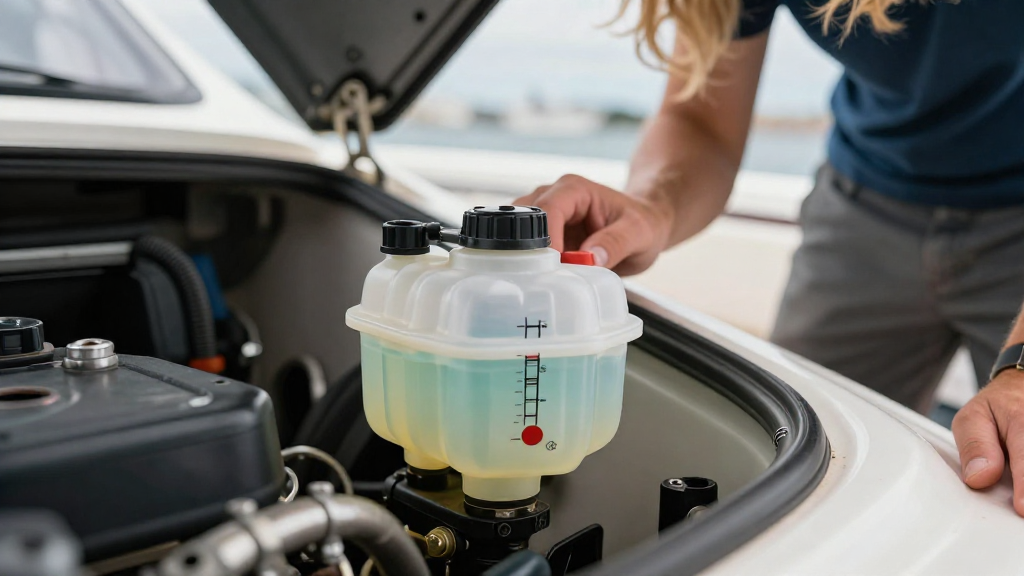
Knowing how to check antifreeze levels in a boat is crucial for every boat owner.
This article will guide you through the steps to ensure that your boat’s antifreeze levels are optimal for smooth sailing and protection against freeze damage.
Why is Antifreeze Important for Your Boat?
Proper antifreeze levels are essential for a variety of reasons:
- Prevents Freezing: Antifreeze prevents your engine and plumbing from freezing in cold weather.
- Corrosion Protection: It protects metal parts from corrosion, extending the life of your engine.
- Cooling Efficiency: It stabilizes the temperature and maintains the cooling efficiency of your engine.
Understanding how to check antifreeze levels in a boat can save you from costly repairs and ensure your vessel operates at its best.
How Often Should You Check Antifreeze Levels in Your Boat?
You should check your antifreeze levels:
- Before Launching: Prior to your first outing each season.
- Monthly: Check once a month during the boating season for optimal performance.
- Upon Notice of Temperature Drops: If you live in colder climates, check particularly before winter.
Regular checks can prevent unexpected engine problems and hassles during your adventures.
How Do You Check Antifreeze Levels in a Boat?
What Tools Do You Need?
To effectively check your antifreeze levels, gather the following tools:
- Antifreeze Tester or Refractometer: To measure the freeze point.
- Screwdriver or Wrench: Depending on your boat’s engine cover.
- Funnel: For adding antifreeze if needed.
- Protective Gloves and Safety Glasses: Always prioritize safety.
What Are the Steps to Check Antifreeze Levels?
Follow these steps to ensure accurate antifreeze checks:
-
Park the Boat on Level Ground: Ensure your boat is stable to get accurate readings.
-
Open the Engine Compartment: Remove the engine cover using your screwdriver or wrench.
-
Locate the Coolant Reservoir: Usually marked with a distinct label.
-
Check the Fluid Level:
- There will often be a minimum and maximum line on the reservoir.
- If the fluid level is below the minimum mark, it’s time for a refill.
- Use an Antifreeze Tester:
- Dip the tester into the reservoir and pull it out.
- Examine the color indicators on the tester to determine the freeze point.
- Top Off if Necessary:
- If levels are low, use the funnel to carefully add more antifreeze until you reach the proper mark.
Important:
Always consult your owner’s manual for specific antifreeze requirements and procedures unique to your boat’s make and model.
How Do You Maintain Antifreeze Levels Throughout the Season?
What Antifreeze Should You Use?
When maintaining antifreeze levels, use the appropriate type for your boat.
- Ethylene Glycol-based: Offers excellent freezing-point depression and is widely used.
- Propylene Glycol-based: A safer alternative for environmentally sensitive areas.
Check your manual or consult with a marine professional about the best choice for your boat.
What Are the Maintenance Steps?
To maintain antifreeze levels effectively:
-
Routine Inspections: Check levels regularly—monthly or whenever you perform other maintenance.
-
Flush the Cooling System Annually: At least once a year, it’s advisable to flush the system.
-
Look for Leaks: Inspect for any signs of leaks in hoses or fittings. If found, repair them immediately.
-
Top Off When Needed: Keep antifreeze on hand and top off your levels after any significant use, especially before harsh weather.
-
Store Correctly: Store your boat in a climate-controlled area during winter months to reduce the risk of freezing.
When Should You Seek Professional Help?
If you observe unusual coolant loss or if your readings are consistently low, it may be time to consult a marine technician. They can perform a thorough inspection.
What Are Common Signs of Antifreeze Issues in a Boat?
How Can You Identify Problems Early?
Here are some symptoms that indicate antifreeze issues to watch for:
-
Overheating Engine: If your engine frequently overheats, it suggests low coolant levels.
-
Coolant Leaks: Puddles or stains under your boat may indicate a leak.
-
Engine Misfires: Irregular engine performance could point to a malfunction in the cooling system.
-
Foul Smells: Sweet-smelling antifreeze fumes may signal a leak, particularly in the engine compartment.
Promptly addressing these concerns ensures that your vessel remains seaworthy and you avoid severe engine damage.
Conclusion: Why Knowing How to Check Antifreeze Levels in a Boat is Crucial
In conclusion, knowing how to check antifreeze levels in a boat is a critical skill for any boat owner.
Regular checks and maintenance help keep your boat safe and efficient.
By performing routine inspections, using the correct antifreeze, and maintaining your system properly, you can ensure that your boat remains in top condition throughout its lifespan.
So, gear up, take the necessary steps, and sail with confidence knowing that your antifreeze levels are right where they should be!