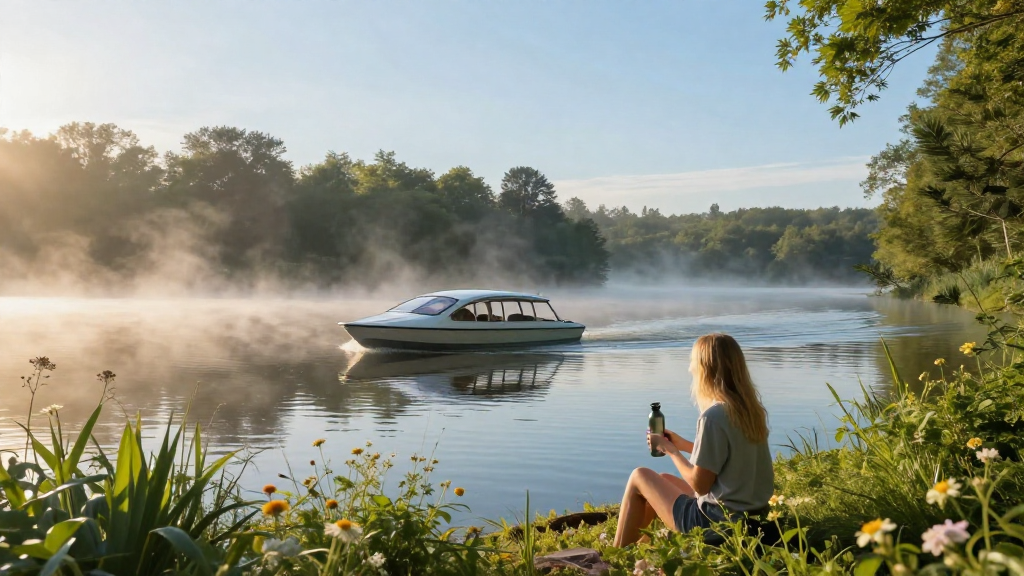
If you’re wondering how to boat without polluting the water, you’re not alone.
Many boating enthusiasts are becoming increasingly aware of their environmental impact.
Boating can be a delightful outdoor hobby, but it’s essential to take steps to protect our precious waterways.
In this article, we’ll explore effective methods for enjoying boating while keeping our lakes and oceans clean.
What Are the Environmental Impacts of Boating?
Before diving into solutions, it’s crucial to understand the environmental impacts of boating.
Boats can pollute water through:
- Fuel spills – When refueling, it’s easy to spill fuel into the water.
- Sewage discharge – Improper waste disposal can lead to contamination.
- Paint and cleaning agents – Harmful substances can seep into the waterways from poorly managed boat maintenance.
- Invasive species – Boats can unintentionally transport microscopic organisms from one body of water to another.
By acknowledging these challenges, we can better understand how to boat without polluting the water.
How Can You Boat Responsibly?
Being a responsible boater requires awareness and a few simple changes.
Here are some ways to ensure your boating trips are eco-friendly:
1. Choose the Right Fuel
Using clean fuels is a simple step towards protecting the environment.
Consider these eco-friendly fuel options:
- Ethanol-blended fuel – Contains less harmful emissions.
- Electric or hybrid engines – Provides a sustainable alternative.
- Low-emission outboards – Designed to reduce pollution.
Tip: Always carry a spill kit, which can help mitigate accidental fuel spills.
2. Practice Responsible Waste Disposal
Disposing of waste properly is vital for water health.
Always follow these guidelines:
- Use on-board toilets or pump-out stations – Dispose of sewage responsibly.
- Do not litter – Always bring trash bags and take your waste with you.
- Avoid using chemicals – Opt for biodegradable alternatives for cleaning and maintenance.
Important: It’s illegal to discharge sewage into many bodies of water. Check your local regulations!
How to Clean Your Boat Without Causing Harm?
Cleaning your boat is essential, but the methods you choose can affect water quality.
Here’s how you can ensure your cleaning does not pollute the water:
1. Use Eco-friendly Products
There are numerous biodegradable cleaning products available, which are less harmful to aquatic life.
Look specifically for:
- Biodegradable soaps
- Non-toxic hull cleaners
- Natural waxes
2. Prevent Toxins from Entering the Water
When washing your boat:
- Avoid washing it near the water – This limits the potential for chemicals to wash into the lake or ocean.
- Use a portable cleaning kit – This allows you to clean your boat while keeping potential pollutants contained.
How Can You Reduce Fuel Consumption While Boating?
Fuel consumption contributes significantly to water pollution.
Here are some strategies to boat without polluting the water by optimizing fuel use:
1. Maintain Your Boat
A well-maintained boat performs better and uses fuel efficiently.
To keep your boat in top condition:
- Regularly service your engine.
- Check for leaks or any signs of wear.
- Clean the hull to reduce drag.
2. Optimize Your Boating Habits
Adjusting your boating habits can significantly impact fuel consumption.
Consider the following tips:
- Cruise at optimal speeds – Generally, lower speeds are more fuel-efficient.
- Limit idling – Turn off the motor when not in active use.
- Weight management – Carry only what you need to minimize drag.
How to Be Mindful of Wildlife While Boating?
Being respectful of wildlife not only ensures their safety but also contributes positively to the ecosystem.
Here are some practices to consider:
1. Observe Wildlife From a Distance
Many species of birds, fish, and marine animals are sensitive to noise and movement.
Maintain a safe distance when observing them, and avoid disturbing their natural habitat.
2. Avoid Anchoring in Sensitive Areas
Certain parts of aquatic ecosystems, such as seagrass beds and coral reefs, are particularly vulnerable.
When anchoring:
- Use designated anchor zones – This protects critical habitats.
- Consider mooring buoys – They reduce the need for anchoring and help preserve the seabed.
Why Should You Join Local Clean-up Efforts?
Participating in local clean-up initiatives can enhance your boating experience and help the environment.
Here are benefits of getting involved:
1. Sense of Community
Engaging with fellow boaters and environmentalists fosters a sense of camaraderie.
You’ll make friends who share your values and commitment to preserving natural resources.
2. Make a Direct Impact
Your involvement helps keep waterways clean and educates others about the importance of preserving our natural environment.
You can:
- Join organized clean-ups.
- Host your own event with fellow boaters.
- Advocate for sustainable boating practices in your community.
Conclusion: How to Enjoy Boating Without Polluting the Water
Learning how to boat without polluting the water isn’t just important; it’s essential for the well-being of our planet.
By adopting eco-friendly practices and respecting our marine environments, you can enjoy your boating adventures while preserving the beauty of our waterways.
With effective waste disposal, responsible fuel consumption, and mindful wildlife interactions,
each boater has the power to make a difference.
Take these steps, and you’ll contribute to a cleaner planet for generations to come.
Raise your awareness, educate others, and set an example in the boating community.
Together, we can enjoy the open water without compromising its purity. Happy and responsible boating!