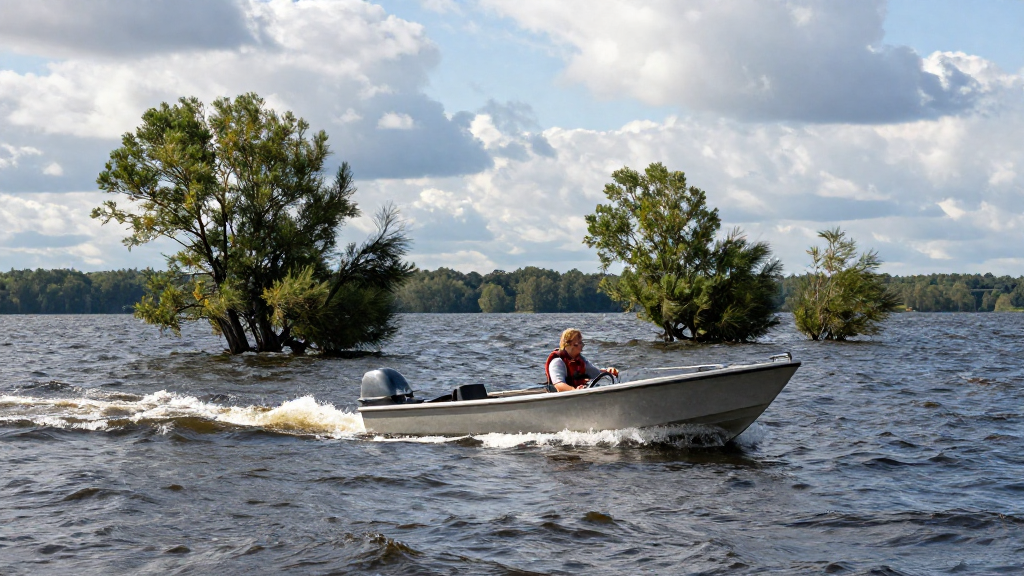
Boating can be an exhilarating experience, but knowing how to boat in windy conditions is crucial for your safety and enjoyment.
What Makes Windy Conditions Dangerous?
Windy conditions can create several challenges for boaters, including:
- Increased Wave Height: Strong winds can generate larger waves, making navigation difficult.
- Reduced Control: Wind can push your boat off course, especially if you’re in a smaller vessel.
- Instability: Larger vessels can also face instability if the wind is strong enough.
Understanding these risks is the first step to ensuring a safe boating experience. But what can you do to stay safe?
How Can You Prepare for Windy Conditions?
Preparation is key when it comes to how to boat in windy conditions. Here are some essential tips:
-
Check the Weather Forecast:
– Utilize reliable weather apps or websites.
– Pay attention to wind speeds and direction. -
Choose the Right Boat:
– Opt for Larger Vessels: They can handle rough conditions better.
– Ensure Your Boat Is Well-Maintained: Check for any issues with the engine, sails, or rigging. -
Wear Life Jackets:
– Ensure that everyone on board has a life jacket that fits properly.
– Make safety gear easily accessible. -
Plan Your Route:
– Map out sheltered areas to retreat to if conditions worsen.
– Avoid narrow channels and open waters when possible.
What Safety Equipment Should You Have on Board?
When learning how to boat in windy conditions, it’s essential to have the right safety equipment. Here is a list of items that can help:
- VHF Radio: For communication with other vessels and emergency services.
- First Aid Kit: Always carry a stocked first aid kit tailored for boating incidents.
- Flares: Useful for signaling in emergencies.
- Anchor: Ensure it is correctly sized for your boat.
How to Navigate in High Winds?
Navigating in windy conditions requires skill and awareness. Here are some strategies:
-
Steer into the Wind:
– When possible, head directly into the wind to maintain control.
– This reduces the chance of capsizing. -
Reduce Speed:
– Slower speeds can help you better manage waves and wind. -
Trim Your Sails (for sailing):
– Adjust the sails to minimize heeling and maintain balance. -
Use a Steady Course:
– Avoid sudden turns.
– Plan your maneuvers ahead of time.
How Can You Ensure Passenger Safety?
Passenger safety is paramount while boating. Here’s what to keep in mind:
- Conduct a Safety Briefing:
- Discuss safety protocols before setting sail.
-
Explain where safety equipment is located.
-
Keep Everyone Seated:
-
Encourage passengers to remain seated, especially in rough conditions.
-
Limit the Number of Passengers:
- A smaller number of passengers ensures better control of the vessel.
What Are Your Options If Conditions Deteriorate?
If the wind picks up and conditions worsen, knowing how to react is essential:
-
Seek Shelter:
– Look for nearby coves or harbor entrances to anchor or dock. -
Reassess the Situation:
– Take a moment to evaluate your options before acting. -
Head Back to Shore:
– If things get too dangerous, don’t hesitate to return to shore. -
Use Proper Communication:
– Keep your radio on and inform others of your situation.
How to Handle Emergencies in Windy Conditions?
In case of emergency, be prepared by knowing what steps to take:
-
Remain Calm:
– Panic can lead to poor decision-making. -
Use Your VHF Radio:
– Call for help and provide your location clearly. -
Activate Your Emergency Equipment:
– Deploy flares or use a horn to signal distress. -
Keep People Inside the Boat:
– It’s safer to stay on board unless you’re directed otherwise.
What Are Common Mistakes to Avoid?
Avoiding common mistakes can significantly enhance your safety. Here are some pitfalls to watch out for:
-
Ignoring Weather Changes:
– Always monitor for sudden changes in wind or storm conditions while out on the water. -
Overloading Your Vessel:
– Keep to the manufacturer’s guidelines regarding weight limits. -
Neglecting Safety Equipment:
– Regularly check that all safety equipment is functioning properly. -
Inadequate Training:
– Ensure all operators are trained and understand how to handle their vessel in challenging conditions.
Conclusion: How to Boat Safely in Windy Conditions
Navigating the uncertainties of windy weather can be daunting, but with preparation, knowledge, and the right mindset, you can enhance your safety on the water. Remember the key points of how to boat in windy conditions—from preparing your vessel and ensuring passenger safety to knowing how to react in emergencies.
By following these guidelines, you can enjoy a safer boating experience even when the winds pick up.
Additional Resources
For more information on boating safety, consider visiting:
- U.S. Coast Guard: boating safety resources
- National Safe Boating Council: boating safety tips
Enjoy your time on the water, and always prioritize safety when boating in windy conditions!