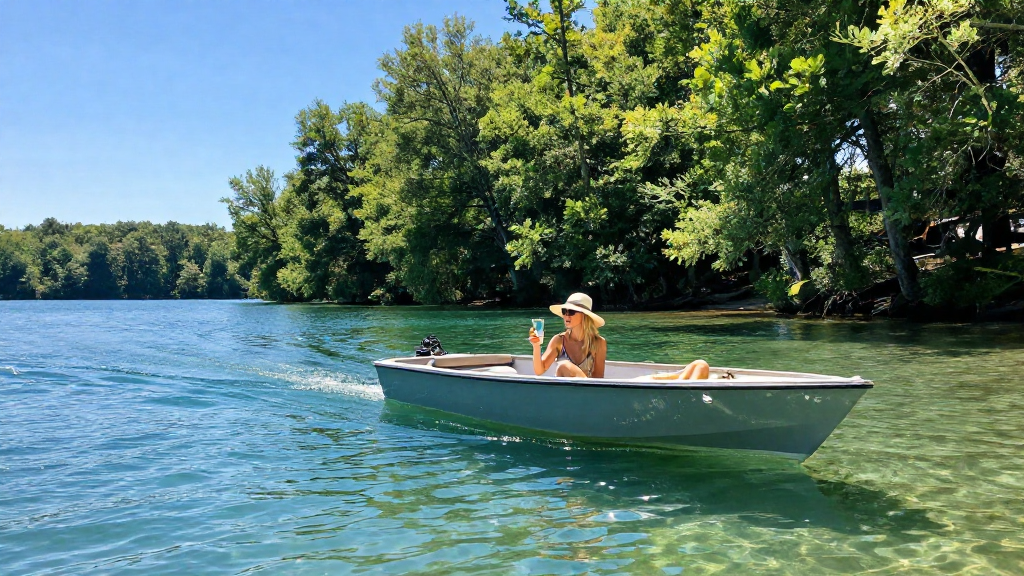
As the summer sun blazes down and temperatures rise, many people flock to the water to enjoy recreational activities. But knowing how to boat in summer heat is essential for a safe and enjoyable experience. In this article, we will explore practical tips and best practices to ensure you and your companions stay safe while enjoying your time on the water.
Why Does Extreme Heat Matter for Boaters?
Extreme summer heat can have serious implications for boating safety.
Key concerns include:
– Dehydration: Prolonged exposure to heat can lead to dehydration, impairing your ability to operate a boat safely.
– Heat Exhaustion: Symptoms like dizziness, confusion, and fatigue can hinder your judgment and reaction time.
– Sunburn and Skin Damage: The sun can cause painful burns and long-term skin issues if protective measures aren’t taken.
Understanding these risks is the first step in learning how to boat in summer heat effectively.
How Can You Prepare for Boating in Extreme Heat?
Preparation is crucial when planning a boating adventure during the hot summer months. Here’s how you can prepare:
-
Check the Weather:
– Before setting out, review the local weather forecast.
– Look for heat advisories, UV index, and expected temperature highs. -
Pack the Essentials:
– Water: Bring plenty of fluids—ideally one quart per person per hour.
– Sunscreen: Use a broad-spectrum sunscreen with at least SPF 30.
– First-Aid Kit: Stay prepared for minor injuries or heat-related emergencies. -
Dress Appropriately:
– Opt for light-colored, loose-fitting clothing.
– Consider UV-protective clothing and wide-brimmed hats. -
Time Your Outings Wisely:
– Avoid boating during peak sun hours, typically between 10 a.m. and 4 p.m.
– Plan early morning or late evening trips instead.
What Hydration Tips Will Keep You Safe While Boating?
Staying hydrated is one of the most crucial aspects of how to boat in summer heat safely. Follow these hydration tips:
- Drink Water Regularly: Aim for 8 ounces of water every 20-30 minutes, even if you don’t feel thirsty.
- Avoid Caffeine and Alcohol: Both substances can lead to dehydration, so they should be consumed in moderation.
- Monitor Hydration Levels: Look for signs of dehydration, including dark urine or excessive thirst.
How Can You Protect Yourself from the Sun?
Sun protection is vital for anyone spending extended periods on the water. Here are ways to safeguard yourself from UV rays:
-
Apply Sunscreen:
– Apply sunscreen generously at least 30 minutes before sun exposure.
– Reapply every two hours, or more often if you’re swimming. -
Wear Protective Gear:
– Use sunglasses with UV protection to shield your eyes.
– Leverage hats with brims to protect your face and neck. -
Seek Shade:
– Utilize boat canopies or umbrellas to stay cool.
– Consider taking breaks in shaded areas or below deck whenever possible.
What Should You Do If Someone Gets Overheated?
Knowing how to boat in summer heat also means being ready to respond to overheating situations. Here are steps to take in case of heat exhaustion:
-
Recognize the Signs:
– Symptoms include nausea, headache, confusion, or abnormal sweating. -
Move to a Cooler Area:
– Bring the person to a shaded or air-conditioned space. -
Hydrate:
– Offer cool water or electrolyte drinks. -
Cool Them Down:
– Place ice packs on neck, armpits, and groin areas to lower body temperature.
– Use wet towels or fans if available. -
Seek Medical Attention:
– If symptoms persist or worsen, do not hesitate to seek immediate medical assistance.
How Can You Create a Boating Safety Plan?
Safety planning is fundamental for a successful boating outing. Here’s how to develop a sound boating safety plan:
- Establish a Float Plan:
-
Let someone on land know your intended route and expected return time.
-
Review Emergency Procedures:
- Familiarize everyone on board with safety equipment, such as life jackets and fire extinguishers.
-
Have a plan for what to do in case of a severe storm or equipment failure.
-
Assign Roles:
- Designate a captain who knows how to boat in summer heat and make sure all members know their responsibilities.
What Equipment Is Essential for Boating Safety?
Investing in the proper equipment improves safety while boating in extreme heat. Consider the following:
- Life Jackets: Ensure everyone on board has a properly fitting life jacket.
- Sun Shade Covers: Protects against direct sun exposure.
- Cooler: Keeps beverages chilled and provides a space for food.
- Marine Radio: For communication, especially in emergencies.
- Whistle: A signaling device for distress or attention.
How Do You Maintain Boat Safety Practices?
Regular maintenance plays a significant role in ensuring boating safety.
- Inspect Your Boat:
- Regularly check your fuel, battery, and safety equipment.
-
Assess your engine and other critical components before heading out.
-
Fuel Safely:
- Allow your boat to cool down before refueling.
- Use non-toxic antifreeze and pollinator-friendly products when maintaining your vessel.
Conclusion
Knowing how to boat in summer heat is vital for enjoying safe and satisfying excursions. Plan effectively, stay hydrated, protect yourself from the sun, and prepare for emergencies.
By following these guidelines, you can confidently navigate the waters, making the most of your summer boating experience without compromising safety. Whether you’re out with family or friends, keeping safety at the forefront allows everyone to enjoy the thrill of summer boating. Happy boating!