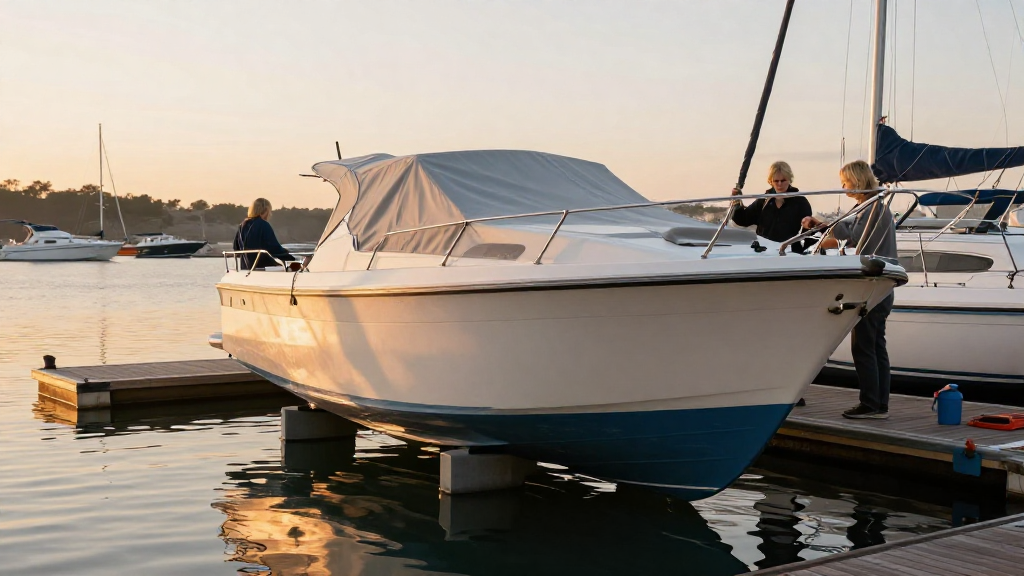
When considering how to block a boat for storage, it’s essential to know the best practices to ensure your watercraft remains safe, stable, and secure throughout its time in storage.
Why Is Blocking Important?
Blocking a boat correctly is crucial for its protection.
Improper storage can lead to various issues such as:
- Hull damage: A boat that isn’t balanced can develop cracks or deformities in its hull.
- Mold growth: Inadequate air circulation can lead to damp conditions that promote mold.
- Structural damage: A poorly supported boat can suffer from stress on its frame and fittings.
By learning how to block a boat for storage, you can avoid these problems and extend the life of your vessel.
What Do You Need to Block a Boat for Storage?
Before engaging in the process of blocking your boat, you should gather the necessary tools and materials:
- Wooden blocks or boat stands: These provide sturdy support for your vessel.
- Ratchet straps or tie-downs: These help to secure the boat to the blocking structure.
- Leveling tools: To ensure the boat is balanced.
- Drill and screws (optional): If you need to create customized supports.
Strong Supports
Choosing the right supports is vital.
- Wooden Blocks: Commonly made from hardwood, they offer excellent stability.
- Boat Stands: Specifically designed for boating, they are often adjustable and can accommodate various sizes.
How to Properly Block Your Boat for Storage?
When you’re ready to learn how to block a boat for storage, follow these comprehensive steps.
1. Prepare the Area
- Clear the Site: Ensure the storage area is clean from any debris or obstacles.
- Select the Right Location: Find a flat, level area, preferably away from trees or structures that may cause drips or falling debris.
2. Drain the Boat
Before blocking, ensure that you drain any water from:
- The bilge
- Fuel tanks
- Water tanks
- Any other storage compartments
3. Choose a Proper Blocking Method
A. For Outboard Boats
- Remove the engine or properly support it.
- Position the boat stands or wooden blocks under the transom and hull.
- Ensure that the weight is distributed evenly.
B. For Inboard Boats
- Secure the engine properly.
- Position blocking under the hull’s solid points.
- Employ additional supports under any areas prone to damage.
4. Level the Boat
Using leveling tools, ensure that the boat is:
- Even on all sides
- Stable in its position to prevent any stress on the hull
5. Secure the Boat
Once the boat is leveled:
- Use ratchet straps or tie-downs to secure the boat to the blocking.
- Ensure all straps are tight but not overly so to avoid undue pressure.
6. Inspect and Finalize
- Double-check that everything is secure and the boat is stable.
- Inspect for any movements or potential issues throughout the storage period.
How to Maintain Your Boat During Storage?
After figuring out how to block a boat for storage, maintaining your boat in that position involves a few additional steps:
- Regular Inspections: Check the boat weekly or biweekly for any signs of wear or shifting.
- Clean and Cover: Thoroughly clean the boat and use a breathable cover to protect it from dust and moisture.
- Ventilation is Key: Ensure there’s proper airflow. This will help prevent mold growth and keep your boat in better condition.
What Mistakes Should You Avoid?
Blocking a boat for long-term storage can be daunting, especially for new boat owners. Avoid these common pitfalls:
- Using Inadequate Supports: Avoid makeshift supports that can collapse or shift.
- Ignoring Leveling: Even a slight angle can lead to bowing under pressure.
- Neglecting Regular Maintenance: Failing to check on your boat while it’s in storage can lead to unforeseen damage.
How Can You Enhance Your Boat’s Longevity in Storage?
- Use Anti-Freeze: For engines, use antifreeze to protect from freezing temperatures.
- Cover Inlets and Exhaust Ports: This prevents unwanted pests from entering.
- Remove Batteries: Store batteries in a climate-controlled space to prolong their lifespan.
What Else Should You Know About Boat Storage?
Boat blocking isn’t just about protection; it’s also about preparation for the next sailing season.
Consider these additional tips:
- Winterizing Your Boat: Proper winterization will keep your engine, plumbing, and hull in prime condition.
- Insurance Coverage During Storage: Ensure your boat is adequately insured while it is in storage.
- Documenting the Process: Photos can be beneficial for reference or insurance claims later.
Conclusion
Knowing how to block a boat for storage is an important skill for any boat owner looking to maintain their vessel during long periods out of the water.
By following these steps and tips, you can effectively protect your boat from damage during storage.
Ultimately, proper blocking can save you time and money, allowing your boat to be in the best condition when it’s time to hit the water again.
Regular checks and a good maintenance routine can prolong the lifespan of your boat and ensure a smooth return to the water once storage has ended.
With the right knowledge and preparation, storing your boat securely can be a straightforward and effective process.