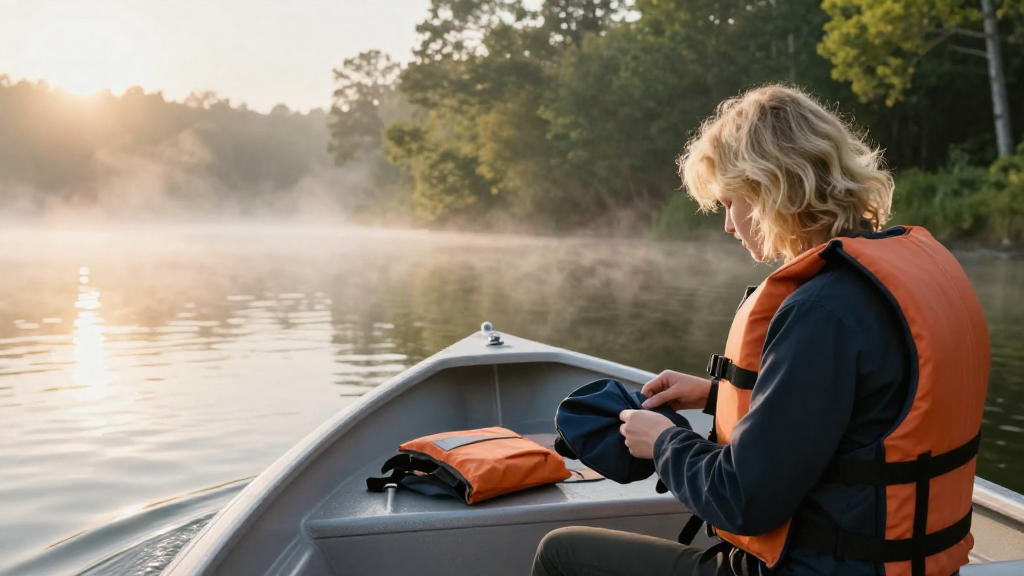
Boating can be a delightful and relaxing experience, but it can also pose significant risks.
Understanding how to avoid boating accidents is critical for both safety and enjoyment on the water. In this article, we’ll explore various strategies and tips to help ensure a safe boating experience for you, your passengers, and the vessels around you.
What Are the Most Common Boating Accidents?
Boating accidents can range from minor incidents to serious catastrophes. According to the U.S. Coast Guard, some of the most common types of boating accidents include:
- Collisions with Other Vessels: Often due to operator negligence or inexperience.
- Falls Overboard: Can happen to anyone if they are not cautious.
- Capsizing: Often due to overcrowding or poor weather conditions.
- Grounding: When boats run aground due to poor navigation.
- Fires: Caused by malfunctioning equipment or improper storage of flammable materials.
To reduce the risk of these incidents, it’s crucial to know how to avoid boating accidents.
How Can Proper Preparation Help?
Planning and preparation are essential steps in reducing the likelihood of boating accidents. Here are key points to keep in mind:
- Conduct Routine Inspections:
- Check safety equipment such as life jackets, fire extinguishers, and flares.
-
Ensure that your boat’s engine, steering, and communication devices are in working order.
-
Develop a Float Plan:
- Inform friends or family about your anticipated route, destination, and expected return time.
-
This makes it easier for search and rescue teams to locate you if something goes wrong.
-
Follow Weather Forecasts:
- Always check weather conditions before heading out.
- Be prepared to adjust or cancel your plans in the face of bad weather.
How Important is Safety Equipment?
Safety equipment is your best defense against boating accidents. Here’s what you absolutely need:
- Personal Floatation Devices (PFDs):
- Ensure that you have enough life jackets for every person on board.
-
Always wear a PFD, especially in rough waters or during high speeds.
-
Flares and Signaling Devices:
- Have distress flares accessible for emergencies.
-
Carry a whistle or sound signaling device to alert others.
-
Fire Extinguishers:
- Make sure you have the correct type and that they are easily accessible.
- Familiarize yourself with how to use them.
What Role Does Operator Responsibility Play?
The captain of the vessel holds the primary responsibility for ensuring safety. To effectively avoid boating accidents, operators should:
- Stay Sober:
- Boating under the influence of drugs or alcohol significantly increases the risk of accidents.
-
Designate a sober driver for your boat, just as you would for a car.
-
Know Local Laws and Regulations:
- Stay informed about navigation rules, speed limits, and restricted zones.
-
Ignorance of the rules can result in accidents or fines.
-
Keep a Safe Distance:
- Maintain a safe distance from other vessels, swimmers, and obstacles.
- Be especially cautious when navigating in crowded areas.
Why is Training Important?
Education can significantly reduce the number of boating accidents. Consider the following:
- Take a Boating Safety Course:
- Many states require boaters to complete a safety course before operating a vessel.
-
These courses cover essential topics such as navigation, safety equipment, and emergency preparedness.
-
Practice Emergency Situations:
- Conduct drills on how to respond to common emergencies, such as capsizing or a man overboard.
- Have a solid understanding of your boat’s safety features.
How to Navigate Safely and Effectively?
Navigation is critical when it comes to boating safety. Here are some tips on how to avoid boating accidents through effective navigation:
- Use Reliable Navigation Tools:
- Invest in a GPS system and carry paper charts as a backup.
-
Make sure you know how to read and interpret navigation aids like buoys and markers.
-
Monitor Other Vessels:
- Keep an eye on other boats and be aware of their intentions.
-
Use appropriate hand signals when communicating with other boaters.
-
Understand the Rule of ‘Right of Way’:
- Always be aware of which vessels have the right of way in different situations.
- This helps to prevent collisions and misunderstandings.
Why Should You Limit Passenger Distractions?
A boat can easily become chaotic with too many passengers, leading to potential accidents. Here’s how to mitigate distractions:
- Limit the Number of Passengers:
- Be mindful of your boat’s capacity and weight limits.
-
Overcrowding can lead to loss of control and capsizing.
-
Establish Rules for Conduct:
- Set clear expectations for behavior onboard to keep everyone safe.
-
Less distraction leads to a more attentive operator.
-
Assign Roles:
- If you have experienced passengers, assign them roles to assist with navigation and lookout duties.
- This creates an environment where everyone is engaged.
What Should You Do in an Emergency?
Knowing how to react during an emergency can save lives. Consider the following:
- Stay Calm:
-
Panic can exacerbate a situation. Take a deep breath and act quickly but calmly.
-
Use Emergency Communication Devices:
- Carry a cell phone and a VHF radio.
-
Familiarize yourself with their operation and designated emergency channels.
-
Know How to Contact Authorities:
- Learn how to signal for help and the appropriate protocols.
- Make sure someone knows your float plan, as this information can assist rescue operations.
Conclusion
Understanding how to avoid boating accidents requires a combination of preparation, education, and attentiveness.
By following these guidelines, you can significantly enhance the safety of your boating adventures.
Always remember: A proactive approach to safety not only protects you and your passengers but also ensures that everyone enjoys the wonders of life on the water.
Stay safe and happy boating!