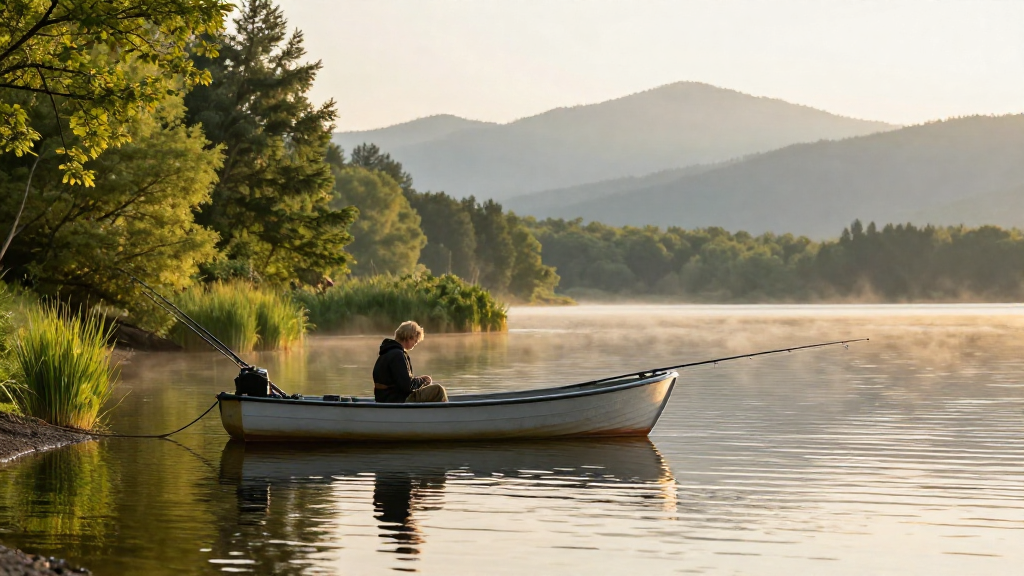
Learning how to anchor a boat for fishing is essential for any angler looking to improve their fishing game.
Proper anchoring allows you to stay in productive spots longer, ensuring you maximize your catch.
Why is Anchoring Important for Fishing?
Anchoring your boat correctly is critical for several reasons:
- Stability: A well-anchored boat remains stable in currents and waves.
- Precision: Keeping your boat in a specific location allows for more accurate casting.
- Safety: Proper anchoring ensures that you don’t drift into hazardous areas, other vessels, or shallow waters.
- Access: Staying anchored in the right spot gives you access to productive fishing areas without constantly re-positioning your boat.
What Equipment Do You Need?
To understand how to anchor a boat for fishing, it’s essential to gather the right equipment. Here’s what you will need:
- Anchor: Choose the type based on your fishing conditions (e.g., fluke anchor for sandy bottoms, grapnel anchor for rocky areas).
- Anchor Line: Strong and long enough to allow for a proper hold.
- Buoy: A buoy can be helpful for tracking your anchor line.
- Windlass (optional): An electric or manual device to help retrieve your anchor easily.
How Do You Choose the Right Anchor?
When considering how to anchor a boat for fishing, selecting the right anchor for your conditions is crucial. Here are the most common types of anchors:
- Plow Anchors: Great for grassy bottoms and offer a reliable hold.
- Fluke Anchors: Ideal for sandy or muddy bottoms.
- Mushroom Anchors: Best for soft bottoms, such as mud and sand.
- Grapnel Anchors: Useful for rocky areas; these can catch on rocks and stay put.
What is the Proper Anchoring Technique?
To effectively learn how to anchor a boat for fishing, there is a recommended technique to follow:
-
Choose Location: Identify the best fishing spot based on local knowledge or fishing reports.
-
Position the Boat: Slowly approach the chosen location, facing into the wind or current.
-
Let Out Line: Once in position, lower the anchor overboard. A general rule is to let out about seven times the depth of the water plus the height of the boat from the waterline if conditions are calm.
-
Check the Holding: Gently back away to test the anchor; if it holds, you’re set.
-
Secure the Anchor Line: Tie the anchor line to a cleat on your boat for additional safety.
How Can You Prevent Common Anchoring Mistakes?
Learning how to anchor a boat for fishing often comes with trial and error. Here are some common mistakes to avoid:
- Improper Depth: Not paying attention to the water depth can lead to inadequate holding.
- Too Short of Anchor Line: Insufficient anchor line can result in drifting or slipping.
- Ignoring Tides and Currents: Make sure to factor in how currents or tides might affect your position throughout the trip.
- Poor Holding Grounds: Avoid anchoring in areas with substantial debris or rocky bottoms unless you’re using a grapnel anchor.
How Do You Retrieve the Anchor Safely?
Once your fishing trip has come to an end, you’ll need to understand how to anchor a boat for fishing while retrieving your anchor efficiently. Here’s how:
-
Prepare the Area: Ensure the area around the anchor is clear of other boats and obstacles.
-
Remove the Line from the Cleat: Untie the anchor line from the cleat and slowly pull the line.
-
Use a Windlass if Necessary: If you have a windlass, engage it to retrieve the anchor more easily.
-
Clean the Anchor: As the anchor comes aboard, clean off any mud or debris before stowing it away.
What Safety Precautions Should You Take?
Safety should be your top priority when figuring out how to anchor a boat for fishing. Here are critical precautions to keep in mind:
- Wear Safety Gear: Always wear a life jacket and ensure your passengers do the same.
- Check Weather Conditions: Understand weather forecasts and tide tables before heading out.
- Inform Someone: Let someone know where you’re going and when you plan to return.
- Have a Navigation Plan: Be familiar with local navigational hazards before anchoring.
How Can You Improve Your Anchoring Skills?
Mastering how to anchor a boat for fishing takes practice. Here are some tips to help you improve:
-
Practice Anchoring: Spend time practicing in various conditions and locations, experimenting with different types of anchors.
-
Read Local Guides: Consult local fishing guides or websites to understand the best practices for anchoring in specific areas.
-
Seek Professional Help: Consider taking a boating course for more personalized instruction on anchoring techniques.
Conclusion
Understanding how to anchor a boat for fishing is an invaluable skill that can enhance your fishing experience.
By choosing the right equipment, selecting the proper anchor, following the correct techniques, and taking necessary safety precautions, you will find yourself better positioned to enjoy successful fishing adventures.
Whether you are a novice angler or a seasoned fisherman, mastering the art of anchoring can make all the difference on your next fishing trip. Happy fishing!