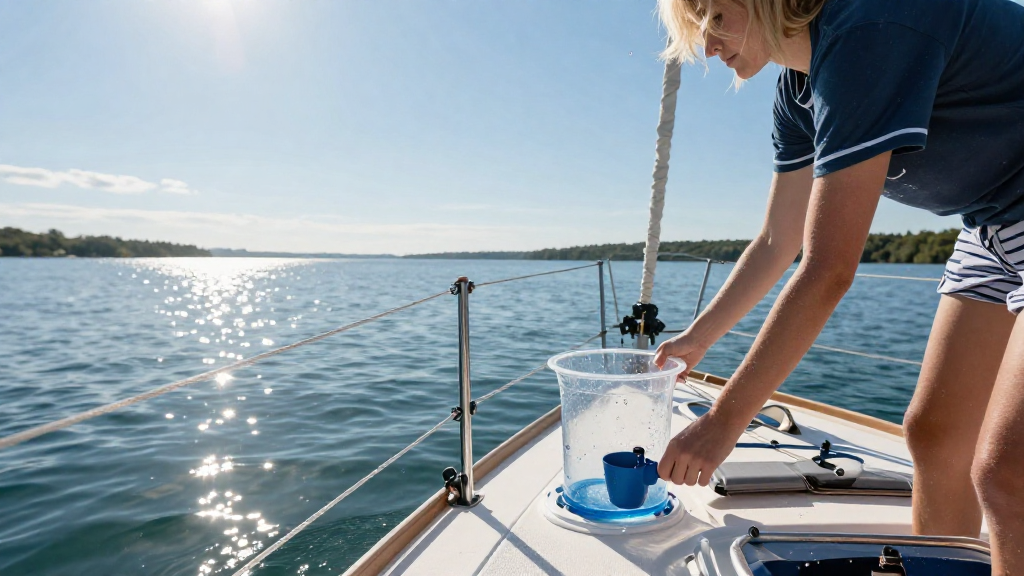
Collecting rainwater on your boat is a sustainable and resourceful way to utilize nature’s gift.
In this article, we will explore how to collect rainwater on a boat, and delve into effective methods, benefits, and essential considerations to ensure you maximize this valuable resource.
Why Should You Collect Rainwater on Your Boat?
Collecting rainwater on your boat offers several advantages, including:
-
Sustainability: Rainwater is a natural, renewable resource that reduces reliance on stored supplies.
-
Cost Savings: Utilizing rainwater can lessen your need to purchase fresh water, especially in remote areas.
-
Purity: Rainwater is often cleaner than stored water, provided it’s collected and filtered properly.
-
Environmental Stewardship: Harvesting rainwater helps conserve freshwater resources, contributing to ecological balance.
How Do You Collect Rainwater on a Boat?
The process of collecting rainwater on your boat involves specific equipment and methodology.
1. Install a Catchment System
A catchment system is essential for effectively gathering rainwater.
Here’s how to set one up:
-
Choose a Suitable Location: Place your collection system in an area where rainwater naturally falls, such as the boat’s roof.
-
Select the Right Materials:
- Gutters: Install gutters or channels to direct rainwater toward your storage containers. Make sure they are made from food-grade materials to avoid contamination.
-
Downspouts: Use downspouts to guide water from the gutters into your storage tank.
-
Storage Tank:
- Use a food-grade water tank that’s adequately sealed to prevent contamination and mosquito breeding.
- Ensure the tank capacity meets your needs, considering your activities and the size of your boat.
2. Filter Your Collected Rainwater
To ensure that the rainwater collected is safe for use, filtering is essential.
Consider the following filtration methods:
-
First-Flush Diverters: This device helps remove the initial contaminants that wash off your boat’s surface during the first minutes of rain.
-
Pre-Filters: Utilize a pre-filter system or mesh screen to trap leaves, debris, and larger particles.
-
Post-Filtration: A carbon filter or UV light system can ensure that the water is safe for drinking and cooking.
3. Keep Your Equipment Clean
Maintaining a clean catchment system is crucial for water quality.
-
Regular Inspections: Frequently check gutters and filters for blockages or dirt accumulation.
-
Cleaning Schedule: Establish a routine for cleaning your storage tank and filtration systems to prevent algae growth or contamination.
How Can You Use Collected Rainwater on Your Boat?
Knowing how to collect rainwater on a boat is just the beginning; you also need to understand how to utilize it effectively.
1. Drinking Water
With proper filtration, rainwater can serve as a refreshing drinking source.
To ensure its safety, always:
-
Test water quality regularly, focusing on contaminants like bacteria and heavy metals.
-
Keep your storage system tightly sealed to minimize exposure to environmental pollutants.
2. Washing Dishes and Cooking
Rainwater can also be used for cooking and cleaning purposes.
-
Sanitize Containers: Always keep pots and pans clean before use.
-
Use for Rinsing: Use collected rainwater to rinse utensils and dishes after washing, which is particularly beneficial when freshwater supplies are limited.
3. Personal Hygiene
While not always recommended for bathing, rainwater can be used for various hygiene purposes:
-
Handwashing: Perfect for washing hands when freshwater isn’t available.
-
Showering: If filtered adequately, you can set up a makeshift shower system on your boat for freshening up.
4. Fishing and Pet Care
Rainwater is also safe for fish tanks and can be beneficial to pets.
-
Fish Tanks: It provides a chemical-free environment for aquatic life.
-
Pets: Ensure it’s filtered, and use it to hydrate your furry friends.
What Should You Consider When Collecting Rainwater on a Boat?
While understanding how to collect rainwater on a boat is crucial, there are several considerations to keep in mind.
1. Environmental Factors
-
Local Regulations: Always check local laws regarding rainwater collection. Some areas have restrictions or guidelines that must be followed.
-
Weather Patterns: Consider your location’s climate. Areas with infrequent rain might require additional water sources.
2. Maintenance and Upkeep
-
Regular Checks: Make it a habit to inspect your system every few weeks.
-
Seasonal Preparations: Prepare for seasonal changes. Clean gutters and storage tanks before hurricane or rainy seasons to optimize collection.
3. Emergency Planning
-
Backup Systems: It’s wise to have supplementary water sources in case rainwater collection isn’t sufficient.
-
Water Testing Kits: Keep a testing kit handy to ensure the water remains safe for consumption.
Conclusion
Collecting rainwater on your boat is an eco-friendly practice that enhances your sailing experience while contributing to conservation efforts.
By understanding how to collect rainwater on a boat, you can enjoy the benefits of a sustainable water source.
With the right equipment, maintenance, and knowledge, you can utilize this natural resource for drinking, cooking, and cleaning, making your boating adventures not only enjoyable but also responsible.
Start collecting rainwater today to create a more sustainable boating experience and enjoy the numerous benefits it provides!