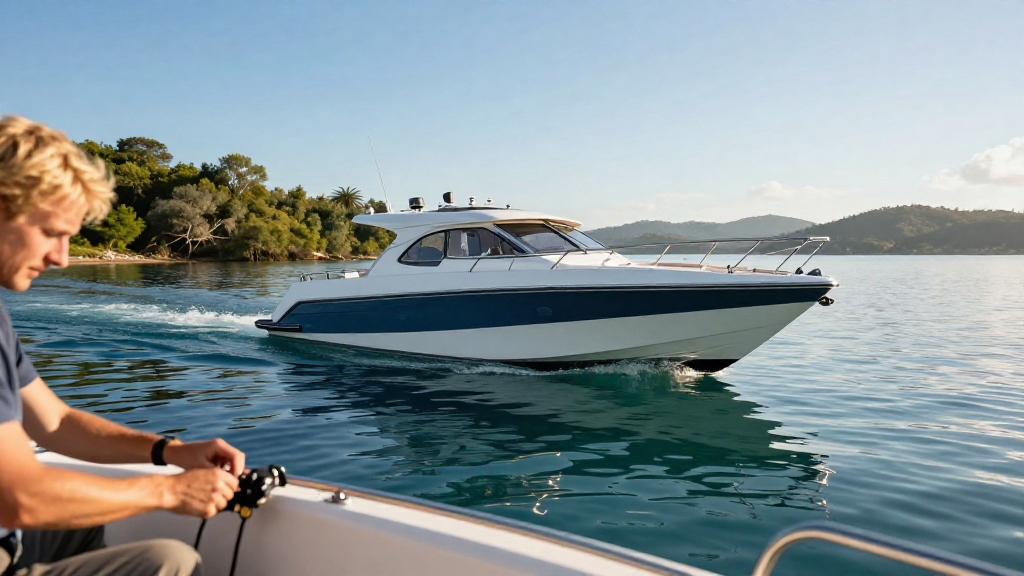
If you’re wondering how to reduce emissions on a diesel boat, you’re not alone. Many boat owners are looking for ways to minimize their impact on the environment while still enjoying the freedom of being out on the water.
What Are Emissions from Diesel Boats?
Diesel-powered boats produce emissions that can significantly impact air and water quality.
These emissions include:
- Nitrogen oxides (NOx)
- Particulate matter (PM)
- Unburned hydrocarbons (UHCs)
Understanding the pollutants that come from diesel engines is the first step in learning how to reduce emissions on a diesel boat.
Why Should You Care About Reducing Emissions?
Reducing emissions is not just a matter of compliance with regulations; it also has several important benefits:
-
Environmental Protection: Lower emissions contribute to cleaner air and water, preserving marine ecosystems.
-
Enhanced Efficiency: Many strategies for reducing emissions also lead to better fuel efficiency, saving you money in the long run.
-
Health Benefits: Reducing pollutants can improve air quality, benefiting the health of those on board and nearby.
What Are Some Effective Strategies?
When considering how to reduce emissions on a diesel boat, there are several strategies you can implement:
1. Regular Maintenance
How often do you service your diesel engine?
Routine maintenance is critical.
Follow these tips:
-
Change oil and filters regularly: Dirty oil and filters can hinder engine performance and increase emissions.
-
Inspect the exhaust system: A well-functioning exhaust system reduces harmful emissions.
-
Adjust fuel injectors: Ensuring optimized fuel injector settings can enhance combustion efficiency, thus reducing emissions.
2. Choose Cleaner Fuels
Have you considered the type of fuel you’re using?
Switching to cleaner alternatives can have a significant impact on emissions.
Here’s what you might consider:
-
Ultra-Low Sulfur Diesel (ULSD): This fuel has significantly lower sulfur content than traditional diesel, resulting in reduced emissions.
-
Biodiesel: A renewable alternative made from vegetable oils and fats, biodiesel can lower emissions of particulate matter and carbon dioxide (CO2).
3. Optimize Your Propulsion System
Is your propulsion system optimized for efficiency?
An efficient propulsion system is crucial.
Consider the following:
-
Propeller Size: Ensuring you have the right size propeller can help to maintain optimal engine RPMs, reducing fuel consumption and emissions.
-
Surface Drive Systems: These systems can be more efficient compared to traditional propellers, especially at higher speeds, thus lowering emissions.
4. Implement Emission Control Technologies
Have you looked into emission control technologies?
Technology can significantly help in managing and reducing emissions.
Here’s what you can explore:
-
Selective Catalytic Reduction (SCR): This system reduces nitrogen oxides using a catalyst and a reducing agent, often urea.
-
Diesel Particulate Filters (DPF): DPFs capture and store exhaust soot to reduce particulate emissions.
-
SCR/DPF Combined Systems: Utilizing both can form a robust system for cutting down emissions effectively.
5. Change Your Operating Habits
Are your boating habits contributing to emissions?
Your operating habits can influence how efficiently your diesel engine runs.
Take these tips into account:
-
Avoid Overloading: Excess weight can strain the engine, leading to higher emissions.
-
Smooth Acceleration: Rapid acceleration increases fuel consumption and emissions; gradual acceleration is more efficient.
-
Plan Your Routes: Longer, more complex routes can increase fuel consumption; planning efficient courses reduces emissions.
6. Utilize Renewable Energy Sources
Could you make use of alternative energy?
Incorporating renewable energy sources can greatly reduce reliance on diesel.
Consider these options:
-
Solar Panels: Solar panels can power auxiliary systems and reduce the load on your diesel engine.
-
Wind Generators: Utilization of wind energy can supplement energy needs while on the water.
7. Participate in Training Programs
Have you thought about specialized training?
Engaging in training programs can provide you with insights on how to operate your boat more efficiently.
Look for programs that focus on:
-
Eco-friendly Operating Practices: Learn strategies specifically designed to minimize environmental impact.
-
Engine Maintenance: Understand how to maintain your diesel power unit to keep it running efficiently.
What Are the Regulations to Keep in Mind?
Is compliance with regulations on your radar?
Understanding and adhering to the laws regarding emissions is vital.
Important regulations to consider include:
-
U.S. Environmental Protection Agency (EPA) Standards: Familiarize yourself with federal regulations concerning emissions from marine vessels.
-
Local Regulations: Some states or regions have stricter emissions standards that you may also need to comply with.
How Will You Measure Your Progress?
Are you equipped to track and measure emissions?
Measuring your progress is key to determining the effectiveness of your efforts in how to reduce emissions on a diesel boat.
You can assess your emissions through:
-
Fuel Consumption Monitoring: Keep track of how much fuel you use and compare it with your travel distance.
-
Emissions Testing: Various products can help you assess the emissions produced by your diesel engine.
Conclusion: Your Journey to Cleaner Boating Starts Here!
Taking proactive steps on how to reduce emissions on a diesel boat is easier than you might think.
Start with regular maintenance, explore cleaner fuel alternatives, and make small changes in your habits, and you’ll contribute to a cleaner environment while enjoying your time on the water.
Every bit helps!
By adopting these strategies, not only do you help preserve the beauty of our oceans and waterways, but you also create a legacy of responsible boating for future generations.
So, which of these steps will you take first on your journey toward cleaner, eco-friendly boating?