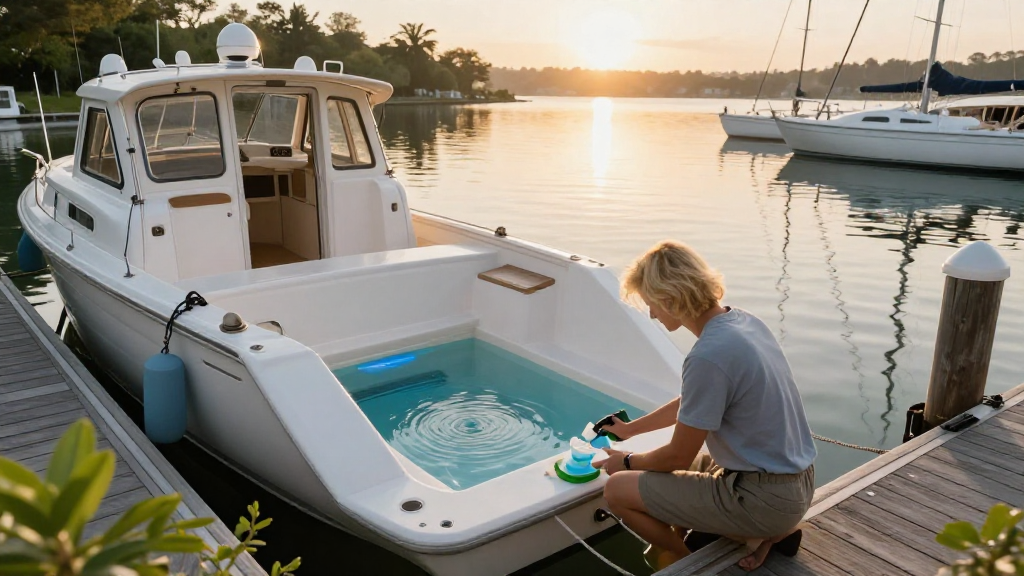
Maintaining a clean bilge is crucial for environmentally friendly boating practices.
What is a Bilge and Why is It Important to Keep It Clean?
The bilge is the lowest part of a boat’s hull where water, fuel, and other substances can accumulate.
Why is it important to keep the bilge clean?
- It helps prevent pollution in natural waters.
- A clean bilge aids in boat performance and safety.
- It extends the lifespan of the boat components.
Understanding how to maintain a clean bilge will not only protect the environment but also enhance your boating experience.
What Are Common Sources of Pollution in the Bilge?
To effectively learn how to maintain a clean bilge, it’s essential to understand common sources of pollution:
-
Engine Oil and Fuel:
– Leakage from engines can contaminate bilge water with oil and fuel. -
Wastewater:
– If not disposed of properly, bilge water can include wastewater contributing to contamination. -
Debris and Trash:
– Such as leaves, plastics, or fishing equipment can degrade water quality.
How Can You Prevent Pollution in the Bilge?
Preventative measures are always better than dealing with consequences.
Here are some effective strategies:
- Routine Checks:
-
Regularly inspect your bilge for any leaks or signs of contamination.
-
Use Absorbent Materials:
-
Bilge booms or absorbent pads can help capture oil or fuel spills.
-
Proper Maintenance:
- Regularly maintain the engine and other mechanical components to minimize leaks.
How to Maintain a Clean Bilge: Step-By-Step Guide
To protect the environment and keep your boat in tip-top shape, here are comprehensive steps on how to maintain a clean bilge:
1. Regular Inspection
Inspect the bilge at least once before every boating trip.
- Look for oil slicks, fuel odors, or any unusual debris.
- Pay attention to hoses and connections for signs of wear and potential leaks.
2. Cleaning Routine
Implement a scheduled bilge cleaning routine.
- Draining:
-
Drain any accumulated water from the bilge regularly. Use a manual pump or an electric bilge pump.
-
Washing:
-
Wash the bilge using biodegradable soap to reduce harmful runoff.
-
Scrubbing:
- Use a brush to scrub away grime and potential pollutants.
3. Proper Disposal of Waste
Dispose of all waste materials responsibly.
- Use designated pump-out stations for wastewater.
- Dispose of oil-soaked materials in accordance with local regulations.
4. Utilizing Bilge Filters or Separators
Installing a bilge filter or separator system can drastically improve water quality.
- How do they work?
-
They separate oil and fuel from the bilge water before it is discharged.
-
This greatly reduces harmful pollutants released into the environment.
What to Use for Cleaning and Maintenance?
When learning how to maintain a clean bilge, choosing the right tools and products is crucial.
- Biodegradable Cleaning Solutions:
-
These are environmentally friendly options that won’t harm surrounding waters.
-
Absorbent Pads and Sheets:
-
They are effective in soaking up oil and fuel spills.
-
Eco-Friendly Bilge Pumps:
- Consider pumps that filter pollutants for cleaner discharge.
What Are the Long-Term Benefits of a Clean Bilge?
Knowing how to maintain a clean bilge contributes to numerous long-term benefits:
- Environmental Protection:
-
Prevents pollution of lakes, rivers, and oceans, safeguarding ecosystems.
-
Improved Efficiency:
-
A clean bilge enhances boat performance and reduces fuel consumption.
-
Increased Resale Value:
- A well-maintained boat is more appealing to potential buyers.
What Regulations Should You Be Aware Of?
Being informed about marine regulations can help you understand the importance of maintaining a clean bilge:
- Clean Water Act:
-
Protects waterways by regulating discharges into U.S. waters.
-
Local Marina Policies:
- Many marinas have strict policies regarding bilge maintenance and pollution.
How Can You Educate Others About Clean Bilge Practices?
As an environmentally conscious boater, sharing knowledge is key.
- Organize Workshops:
-
Offer sessions about maintaining a clean bilge to fellow boat enthusiasts.
-
Participate in Clean-Up Events:
-
Join local or regional initiatives focused on waterway cleanliness.
-
Utilize Social Media:
- Share tips and resources on how to maintain a clean bilge through your online platforms.
Conclusion: Make Eco-Friendly Boating a Priority
Learning how to maintain a clean bilge is vital for protecting aquatic ecosystems and enhancing your boating experience.
By integrating these practices into your routine, you contribute to a cleaner environment while enjoying the open waters.
Remember, every small action counts, and together we can help preserve our beautiful waterways for future generations. Happy and eco-friendly boating!