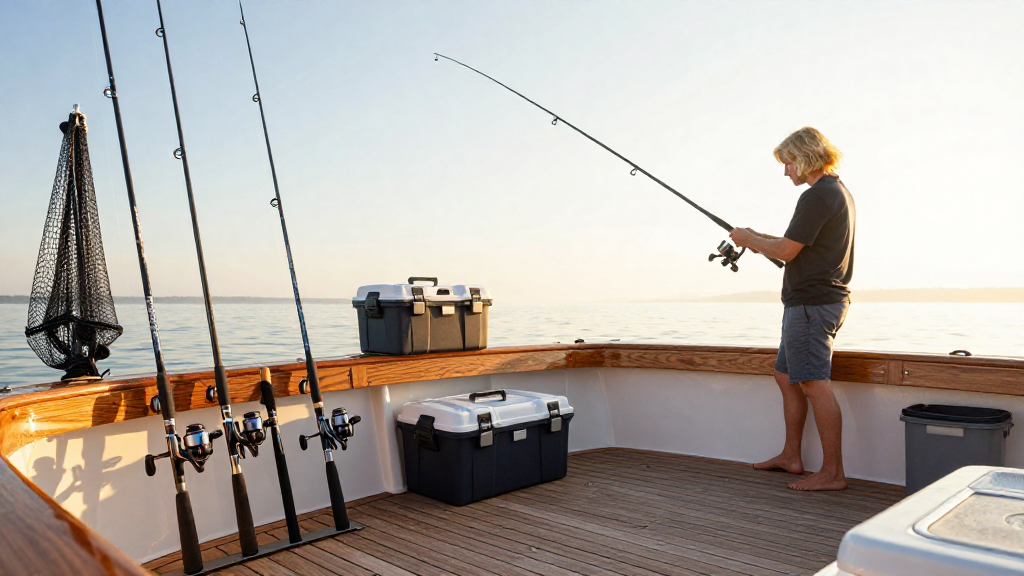
When it comes to enjoying a successful day on the water, knowing how to store fishing gear on a boat is just as crucial as knowing how to cast your line. Efficient storage not only maximizes your space but also keeps your gear organized and in excellent condition for all your fishing adventures.
Why is Storage Important on a Boat?
Effective storage is vital for several reasons:
-
Space Maximization: Boats often have limited space, and managing it wisely allows you to keep everything you need within easy reach.
-
Safety: Properly stored gear reduces the risk of accidents and makes for safer navigation.
-
Equipment Care: Well-organized gear avoids unnecessary wear and tear, ensuring your fishing equipment lasts longer.
With these reasons in mind, let’s dive into how to store fishing gear on a boat efficiently.
What Types of Fishing Gear Should You Consider?
To understand how to store fishing gear on a boat, it’s essential to recognize the types of gear you might bring. This can include:
- Rods and Reels
- Tackle Boxes
- Fishing Line
- Bait and Lures
- Nets and Gaffs
- Safety Equipment
Each type of gear requires specific storage solutions that cater to its unique needs.
How Can You Efficiently Store Fishing Rods and Reels?
Rods and reels are often the most unwieldy pieces of fishing gear. Here are some effective methods for how to store fishing gear on a boat that includes your rods and reels:
-
Rod Holders:
– Flush Mount Holders: If your boat has the option, flush mount holders neatly secure rods while maximizing deck space.
– Rocket Launchers: Often installed on the boat’s hardtop or the side, these metal holders can hold several rods upright. -
Vertical Storage:
– Store rods vertically in dedicated rod racks or tubes.
– This technique prevents breakage and keeps your gear organized. -
Tangle-Free Reels:
– Use reel covers to protect your reels and prevent tangling.
– Store reels safely in a tackle box or designated drawer.
Where Should You Keep Your Tackle Boxes?
Tackle boxes are essential for organizing lures, hooks, and terminal tackle. Here are steps to optimize tackle box storage:
-
Designated Storage Compartments:
– Use tackle boxes with adjustable compartments to accommodate small and large items.
– Clearly label sections for easy access. -
Secure Placement:
– Store tackle boxes in a dry, easy-to-reach spot, preferably inside a built-in storage compartment or under a seat.
– Use anti-slip mats or straps to prevent them from sliding while you’re on the move.
How to Manage Fishing Line and Accessories?
Fishing line and accessories can be easily tangled, leading to frustration. Here’s how to store them efficiently:
-
Line Spool Holders:
– Use line spool holders to keep unused fishing line organized and untangled.
– Consider a waterproof bag for extra protection against the elements. -
Accessory Bags:
– Keep smaller items like sinkers, swivels, and hooks in clear zip-lock bags.
– Label each bag for quick identification.
Should You Keep Bait and Lures Separate?
Yes! Separate storage for bait and lures is essential for maintaining their integrity. Here are some tips:
-
Bait Containers:
– Use insulated bait containers to keep live bait fresh and lively.
– Ensure they are watertight to prevent leaks. -
Lure Storage Solutions:
– Use a tackle box with adjustable compartments specifically for lures.
– Avoid mixing soft plastic lures with hard baits, as they can damage each other.
Is There a Best Way to Store Nets and Gaffs?
Nets and gaffs can take up significant space. Here’s how to store them efficiently:
-
Collapsible Nets:
– Opt for collapsible nets that can be stored compactly when not in use.
– Hang them on hooks or in designated storage spots to avoid clutter. -
Gaff Storage:
– Store gaffs in a designated rack to prevent accidents.
– Keep them secured with straps or bungee cords to avoid movement.
How Do You Keep Safety Equipment Handy?
Safety equipment is vital for any boating experience, and having it easily accessible can make all the difference. Here’s how:
-
Storage Bins:
– Use storage bins for life jackets, flares, and first-aid kits.
– Ensure these bins are clearly marked and easily reachable. -
Emergency Gear Placement:
– Store emergency gear in a centralized location that’s easily accessible in case of an emergency.
– Regularly check that this equipment is up to date and in good condition.
How to Ensure Easy Accessibility?
While learning how to store fishing gear on a boat, accessibility should always be a top priority. Consider the following:
- Frequent Use Items:
-
Keep frequently used items near the helm or at the front of storage compartments.
-
Utilize Vertical Space:
-
Make use of vertical storage installations to keep things off the deck.
-
Clear Layout:
- Maintain a clear layout so you can quickly find what you need without unnecessary disruptions.
Conclusion: Master the Art of Efficient Gear Storage
Knowing how to store fishing gear on a boat takes time and effort but is crucial for enhancing your fishing experience.
By using the strategies outlined above, you’ll be better equipped to maximize your space while keeping your gear organized and accessible.
Remember, effective storage not only helps you catch more fish but also ensures that your time on the water is enjoyable and hassle-free.
So, gear up, organize your boat, and get ready for your next fishing adventure!