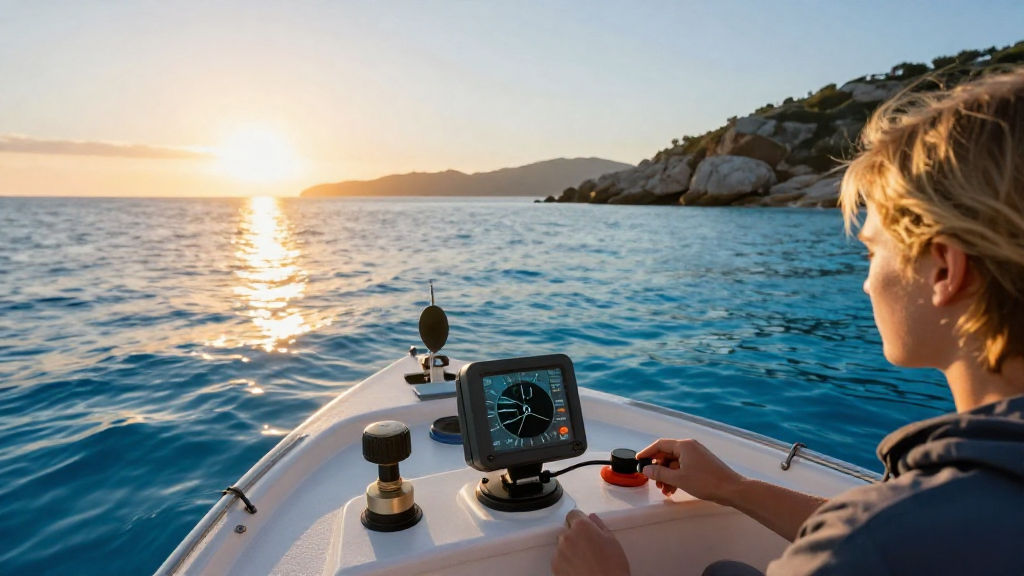
Understanding how to use a depth sounder is essential for safe and effective navigation on water. This article will provide a comprehensive guide on operating a depth sounder, its importance, and tips for maximizing its utility.
What Is a Depth Sounder?
A depth sounder is a critical tool for mariners that measures water depth beneath a vessel.
This device uses sonar technology to send sound waves down into the water.
When these waves hit the seabed, they reflect back to the sounder.
The time it takes for the waves to return is calculated to determine the depth of the water beneath your boat.
Why Is Knowing How to Use a Depth Sounder Important?
Understanding how to use a depth sounder significantly enhances navigation safety.
Here are some reasons why this knowledge is crucial:
- Avoid Grounding: Knowing the depth helps prevent grounding on shallow reefs or sandbars.
- Fishing Locations: Many anglers rely on depth sounders to locate fish and underwater structures.
- Navigation Planning: Help in planning routes that avoid underwater hazards.
Recognizing these benefits underscores the importance of using a depth sounder effectively.
How Does a Depth Sounder Work?
To fully grasp how to use a depth sounder, it’s important to understand its basic operation.
-
Transducer: The heart of the depth sounder, this component converts electrical signals into sound waves.
-
Sound Waves: The transducer sends sound waves down to the sea floor.
-
Echo Reception: Upon hitting the seabed, these sound waves bounce back.
-
Timing Calculation: The sounder calculates the depth by measuring the time it takes for the echo to return.
How to Interpret Depth Sounder Readings?
Learning how to use a depth sounder also involves knowing how to read its output.
-
Display Type: Most sounders have digital or analog displays.
-
Depth Unit: Ensure you know which unit of measurement the sounder is using (feet or meters).
-
Adjustability: Some sounders allow you to adjust the sensitivity to improve clarity in shallow or murky water.
Steps to Use a Depth Sounder Properly
Now that you understand the basics, let’s dive into the steps for using a depth sounder effectively.
Step 1: Choosing the Right Depth Sounder
When wondering how to use a depth sounder, selecting the right model is the first step.
Consider the following features:
-
Transducer Type: Make sure it suits your vessel’s size and the waters you’ll navigate.
-
Display Clarity: A clear, easy-to-read display is vital for quick readings.
Step 2: Installation and Setup
Proper installation ensures optimal functioning.
-
Mount the Transducer: Follow the manufacturer’s guidelines for mounting.
-
Connect the Display: Ensure all wiring is secure.
-
Power Up: Turn on the depth sounder and allow it to calibrate.
Step 3: Adjust Settings
For effective depth readings, adjust the settings:
-
Sensitivity Settings: Adjust these according to water conditions (cloudy, clear, or shallow).
-
Depth Range: Set a range to focus on specific depths, especially when navigating in shallow waters.
Step 4: Reading the Data
Once your depth sounder is set up, it’s time to interpret the outputs:
-
Monitor Depth Readings: Regularly check the depth to avoid hazards.
-
Identify Features: Look for depth changes which may indicate underwater structures or terrain.
Step 5: Regular Maintenance and Calibration
Practicing regular maintenance ensures longevity and accuracy.
-
Check the Transducer: Keep the transducer clean and free of barnacles.
-
Recalibrate: If you notice irregular readings, recalibrate according to the manufacturer’s standards.
Tips for Navigating with a Depth Sounder
When learning how to use a depth sounder effectively, consider these tips:
-
Know Your Area: Familiarize yourself with the depths and features of the areas you plan to navigate.
-
Use Alongside Charts: Cross-reference the depth sounder readings with paper or electronic nautical charts.
-
Stay Vigilant: Keep an eye on the sounder, especially when entering unfamiliar waters.
-
Log Depth Changes: Maintain a log of depth readings to understand the area over time.
-
Educate Others: Share knowledge with your crew to ensure everyone understands how to read and respond to depth sounder data.
Common Questions About Using a Depth Sounder
How Accurate Is a Depth Sounder?
Depth sounders are generally accurate within a few centimeters, although their precision can be influenced by water conditions and transducer placement.
Can You Use a Depth Sounder in Shallow Water?
Yes, but ensure that the sounder is calibrated for shallow water. Some models have specific settings to enhance performance in these conditions.
What Should I Do if the Depth Sounder Gives Inconsistent Readings?
Check the transducer for obstructions or damage.
If the issue persists, consult the manufacturer’s troubleshooting guide or seek professional assistance.
Conclusion
Understanding how to use a depth sounder is an indispensable skill for any mariner.
By familiarizing yourself with the device’s operation, interpreting its readings, and maintaining it properly, you can ensure safer navigation.
Depth sounders not only enhance your boating safety but also improve your fishing and recreational experiences.
So, get out there, learn the ropes, and enjoy the advantages that a depth sounder brings to your navigation toolkit!